How an experienced doctor supports better dermatology care
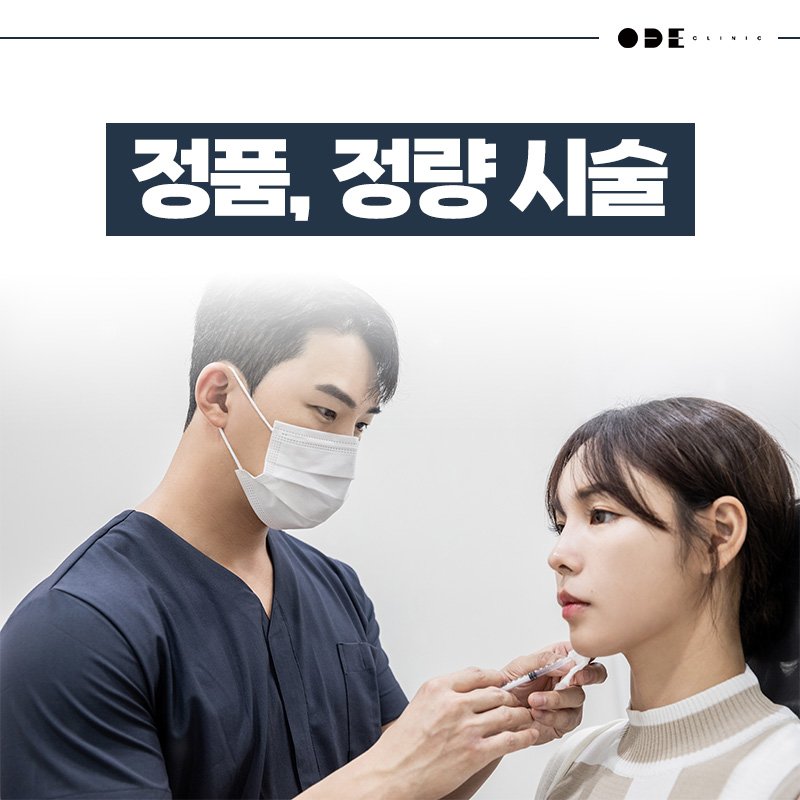
Dermatology treatments are not one-size-fits-all. Skin condition, treatment goals, and the area of concern all affect which approach may be appropriate. An experienced doctor can draw on prior clinical cases to assess these factors and explain relevant options, while recognizing that each patient requires an individual evaluation. At Ode Clinic, medical staff have extensive clinical experience with lifting treatments, including Ultherapy and Thermage, and injectable procedures such as fillers. Experience is most useful when it informs careful assessment and a treatment plan tailored to the individual.
Experience informs the consultation
A useful consultation begins with understanding what the patient wants to address. The doctor can then assess the concern, discuss suitable treatment options, and explain how the options differ. Prior experience with a range of clinical cases can help guide that discussion, but it does not replace an individual assessment. At Ode Clinic, the stated approach is to provide personalized treatment rather than apply the same plan to everyone. Patients should feel able to ask questions and share concerns before deciding whether to proceed.
Experience also matters in setting realistic expectations. Different procedures are designed for different concerns, and no single treatment is appropriate for every person. The doctor should explain the purpose of a recommended procedure and discuss relevant considerations in terms the patient can understand. A clear conversation helps patients make an informed choice rather than feel pressured to select a particular treatment. At Ode Clinic, listening to patient feedback is part of its care commitments, alongside ongoing efforts to improve the service provided.
An experienced doctor can use knowledge from clinical cases to make the consultation more thoughtful, but the patient’s own needs must guide the plan. The most useful discussion explains the options clearly and leaves room for questions.
Clinical experience across treatment types
Ode Clinic’s medical staff have extensive clinical experience with lifting procedures such as Ultherapy and Thermage, as well as injectable treatments such as fillers. This range can support a more considered conversation about which type of treatment may fit a patient’s concerns. It does not mean that every option is suitable for every person. The doctor’s role is to assess the individual and explain the reasoning behind a recommendation.
When more than one type of treatment could be relevant, the consultation should clarify the differences in purpose and approach. A patient considering lifting, for example, may want to understand what the proposed procedure is intended to address and what factors affect the plan. For an injectable procedure, it is reasonable to ask about the treatment area and the intended result. Clinical experience can inform these explanations, while individual assessment keeps the discussion specific to the patient. Patients should also share relevant concerns and preferences so that the doctor can take them into account. This exchange supports a more informed decision without implying that a particular result can be assured.
Individualized care, not a uniform plan
Personalized care means considering the person in front of the medical team rather than relying on a fixed treatment formula. At Ode Clinic, this principle is reflected in a commitment to tailor treatment to each patient. A patient’s goals and concerns should be discussed before a procedure, and the treatment plan should follow from that conversation. The patient’s questions and feedback are part of the decision-making process.
Individualized planning also means that a recommendation should be explained, not simply presented as a decision. Patients can ask why an option is being considered, what it is intended to address, and whether another approach may be more appropriate. These questions help establish shared expectations. An experienced doctor can contribute practical perspective, but careful listening and clear communication are equally important to a sound consultation.
At Ode Clinic, the stated commitments include attentive listening, continued improvement in care, and a consistent approach before and after procedures. These principles help frame the patient’s experience as an ongoing conversation rather than a single treatment decision. A patient who understands the plan and feels comfortable asking questions is better prepared to make a choice that reflects their own needs. Individual circumstances and treatment responses differ, so the consultation should remain focused on the person rather than a promised outcome.
Choosing an experienced doctor at Ode Clinic
When considering dermatology care, look beyond a treatment name and ask how the decision will be made. A helpful consultation gives the patient time to describe their concern, hear an explanation of suitable options, and raise questions. At Ode Clinic, the medical approach emphasizes personalized care and attentive communication. The clinic’s medical staff have experience across lifting procedures and injectable treatments, including fillers. A considered choice starts with understanding the treatment’s purpose and how it relates to your individual concern.
Questions that make a consultation more useful
Before deciding on a procedure, consider asking what concern it is intended to address and why it may suit your situation. You can also ask how the treatment plan is tailored to your needs and what you should understand before proceeding. These questions help turn a general recommendation into a more informative discussion. At Ode Clinic, listening to patient feedback is one of the clinic’s stated commitments, so it is appropriate to raise questions or concerns during the consultation.
It can help to describe your priorities in plain language, including what you hope to change and what matters most to you when considering treatment. The doctor can use that information alongside an assessment to discuss possible approaches. Patients should also mention any concerns about the procedure and ask for an explanation of relevant considerations. Do not assume that a treatment is suitable simply because it is familiar or has been chosen by someone else. Individual evaluation matters because people can have different skin conditions, goals, and expectations. Take time to understand the discussion before making a decision.
Choosing care is not simply a matter of selecting a procedure. Ask how the recommendation relates to your own concern, and make sure you have an opportunity to understand the plan before deciding.
What experience can and cannot tell you
Clinical experience gives a doctor practical exposure to different cases and treatment situations. At Ode Clinic, medical staff have extensive clinical experience with Ultherapy, Thermage, and injectable treatments such as fillers. That experience can inform a discussion of treatment options, but it cannot determine an individual outcome in advance. A personal assessment and clear communication remain essential parts of deciding whether a procedure is appropriate.
It is also useful to separate experience from promises. A history of treating many cases does not mean that every patient will respond in the same way. The doctor should explain the intended purpose of a procedure and discuss the plan in relation to the patient’s needs. If a point is unclear, ask for it to be explained in everyday terms. Informed consent depends on understanding what is being proposed, not simply on trusting a treatment name. At Ode Clinic, the commitment to consistent attention before and after procedures supports an ongoing care approach. Patients can use the consultation to clarify expectations and discuss their concerns openly.
Communication before and after treatment
Good care includes communication beyond the initial decision. Patients should be able to discuss their concerns before a procedure and understand what follow-up or further discussion may involve. Ode Clinic commits to maintaining a consistent attitude before and after procedures, and to listening carefully to patients. These principles make communication an important part of the clinic’s stated approach to dermatology care.
Before treatment, share your priorities and ask about the plan. Afterward, communicate any questions or concerns to the clinic’s medical staff. An open exchange helps the care team understand the patient’s experience and respond appropriately. The clinic also describes continuous improvement of its medical service as one of its commitments. Clear communication supports a more informed and attentive care experience, although it cannot promise a particular clinical result.
Patients may also find it helpful to make a note of questions in advance, especially if they are comparing treatment approaches or are unsure what to expect. Focus on the reason for the recommendation, how it relates to your concern, and what information you need to decide. There is no need to make a decision before you understand the discussion. A careful consultation gives both the patient and the doctor a clearer basis for moving forward.
What to expect from an experienced doctor’s care
At Ode Clinic, care is guided by a commitment to personalized treatment, attentive listening, and consistent service before and after procedures. The clinic’s medical staff have extensive clinical experience with lifting treatments and injectable procedures, including fillers. These facts can help patients understand the clinic’s approach, while a consultation determines what may be relevant to an individual. The next step is a direct discussion of your concerns, treatment goals, and the options that may fit your needs.
Preparing for a dermatology consultation
Before visiting, think about the concern you want to discuss and the outcome you hope to achieve. It can be useful to list questions about the treatment options, the purpose of a proposed procedure, and any concerns you would like the doctor to consider. You do not need to arrive with a treatment already selected. At Ode Clinic, personalized recommendations are part of the stated approach, so the consultation can begin with your needs rather than a predetermined procedure.
During the discussion, describe your priorities clearly and ask for explanations when needed. If a treatment is recommended, you can ask how it relates to your concern and what other considerations are relevant to the decision. Your questions help the doctor understand what matters to you. A useful consultation should make the treatment plan easier to understand, not leave you feeling rushed or uncertain. Take the time you need to consider the information and decide whether the proposed approach feels appropriate for your circumstances.
Preparation does not require choosing a procedure in advance. Arrive ready to describe your concerns and ask questions, then use the consultation to understand the options and their relevance to you.
Understanding treatment recommendations
A treatment recommendation should connect the patient’s concern with a clear clinical purpose. The doctor can explain which approach is being considered and why, drawing on the patient’s assessment and treatment goals. Ode Clinic’s medical staff have experience with lifting procedures such as Ultherapy and Thermage and injectable treatments such as fillers. A recommendation remains individual, and the same option will not necessarily suit every patient.
Patients can ask about the intended focus of a procedure and how it differs from other approaches under consideration. They can also make sure their own preferences and concerns have been heard. This helps keep the decision grounded in the patient’s priorities rather than in general assumptions about a treatment. Experience can inform the recommendation, but the consultation should explain how it applies to the individual. Ode Clinic’s stated commitment to personalized care supports this approach. Patients should feel able to pause and seek clarification before agreeing to a plan, especially if they are uncertain about what has been discussed.
Location, hours, and contacting Ode Clinic
Ode Clinic is located at 8F, Gyeongwon Building, 340 Gangnam-daero, Gangnam-gu, Seoul. The clinic is open Monday through Friday from 11:30 AM to 8:30 PM and Saturday through Sunday from 10:00 AM to 4:00 PM. The clinic operates without a lunch break. Patients can contact Ode Clinic to ask about arranging a consultation.
When contacting the clinic, explain that you are seeking a dermatology consultation and briefly describe what you would like to discuss. Bringing a short list of questions can help you use the appointment time effectively. You can reach Ode Clinic at +82 2-569-0222. A consultation is the appropriate setting to discuss your concerns and understand which treatment options, if any, may suit your individual needs.
Whether you are considering a lifting procedure or an injectable treatment, focus on receiving a clear explanation and having your concerns heard. Ode Clinic’s stated approach combines personalized treatment with attentive communication and consistent care before and after procedures. Clinical experience can contribute useful perspective, but treatment decisions should reflect an individual assessment. Use the consultation to ask questions, understand the recommendation, and decide at your own pace.



Frequently Asked Questions
Q.What kind of clinic is Ode Clinic?
A.Ode Clinic is a dermatology clinic. Its medical staff have extensive clinical experience with lifting procedures such as Ultherapy and Thermage, as well as injectable treatments such as fillers.
Q.Who may benefit from a consultation at Ode Clinic?
A.People considering dermatology care for concerns they would like to discuss may arrange a consultation. The clinic’s approach emphasizes treatment tailored to each patient rather than a uniform plan.
Q.What treatments can I discuss at Ode Clinic?
A.The clinic’s medical staff have experience with Ultherapy, Thermage, and injectable procedures such as fillers. A consultation can help determine which options may be relevant to your individual concerns.
Q.What should I prepare before a consultation?
A.Consider the concern you want to address and write down any questions or preferences. The clinic is open Monday through Friday from 11:30 AM to 8:30 PM and Saturday through Sunday from 10:00 AM to 4:00 PM, without a lunch break.
Q.Where is Ode Clinic, and how can I contact it?
A.Ode Clinic is at 8F, Gyeongwon Building, 340 Gangnam-daero, Gangnam-gu, Seoul. Call +82 2-569-0222 to ask about arranging a consultation.
Clinic Information
| Clinic | Ode Clinic |
|---|---|
| Specialty | Dermatology |
| Address | Seoul, Gangnam District, Gangnam-daero, 340 8F |
| Phone | +82 2-569-0222 |
| Website | https://odeclinicseoul.com/en |
 Ode Clinic