
Customized treatment planning at Ode Clinic
Dermatology concerns can differ even when they appear similar. Skin condition, treatment goals, timing, and preferences all matter when deciding what to discuss with a doctor. At Ode Clinic, the approach is to consider the individual rather than apply one standard plan to every patient. The purpose of a consultation is to connect a patient’s concerns with options that are appropriate to discuss—not to promise a particular result. Patients can share what they hope to address, ask about available treatments, and consider the relevant benefits and points of care before making a decision.
Start with concerns, not a device
A treatment discussion is more useful when it begins with the concern a patient wants to address. For example, a person may be focused on skin texture, facial volume, or the appearance of sagging. These concerns can call for different approaches, so choosing a procedure solely because it is familiar may not reflect the patient’s needs. At Ode Clinic, the doctor can discuss the concern first and then explain which treatment categories may be relevant. Clear goals help make the conversation more focused.
Patients can prepare by noting the areas they want to discuss and the changes they are hoping for. It can also help to explain previous treatments, current skincare routines, and any preferences about treatment or recovery. These details give the doctor useful context, but they do not determine a treatment automatically. The consultation remains an opportunity to review whether a proposed option fits the person’s skin condition and expectations. If a patient is unsure how to describe a concern, discussing what they notice in everyday life can be a practical starting point.
Good planning starts by identifying the patient’s concern before settling on a procedure. A clear conversation helps the doctor and patient assess whether an available option fits the goal and the individual’s circumstances.
Consider the range of available options
Ode Clinic has a range of devices for lifting and tightening, including Ultherapy, Thermage, EMFACE, XERF, Density, Onda, Shurink, and Mirajet. The clinic also offers injectable and skin-booster options. Having different categories to discuss can help the doctor explain how approaches differ and which ones may be relevant to a patient’s concern. The presence of a treatment option does not mean it is suitable for every person. The decision should follow an individual assessment.
Different treatments are designed to address different aspects of appearance. Energy-based procedures may be discussed for lifting or tightening goals, while injectable options may be considered for volume-related concerns. Skin boosters may be discussed in relation to skin texture or hydration goals. Those categories are starting points for a conversation, not a substitute for assessment. The doctor can explain what a procedure is intended to address, what the patient should expect from the process, and what factors may influence the decision. Patients should feel comfortable asking why an option is being considered and whether another approach is relevant.
Keep the plan focused and understandable
A plan is easier to evaluate when it is explained in plain language. Patients should understand which concern a proposed treatment is intended to address and how it fits their priorities. Ode Clinic’s stated commitments include listening carefully to patient feedback and providing individualized care rather than uniform treatment. These principles support a discussion in which the patient can ask questions, express preferences, and consider the proposed next step without pressure.
It is also useful to separate a patient’s main goal from other concerns that may be discussed later. Addressing every concern at once is not necessarily the right approach for every person. The doctor can help clarify what is being considered and why, while the patient can decide whether the plan aligns with personal priorities. Changes can take time depending on individual condition, and response varies. A clear plan should describe the intended focus without presenting a specific result as guaranteed.
Ode Clinic’s approach includes attention to the patient’s feedback before and after treatment. Patients can raise questions about their experience and discuss any concerns during follow-up. That ongoing communication helps keep the care conversation connected to the patient’s needs instead of treating the procedure as the only important step. For patients comparing options, it is reasonable to ask about the purpose of each option and what the next stage of care involves.
Customized treatment planning for dermatology concerns
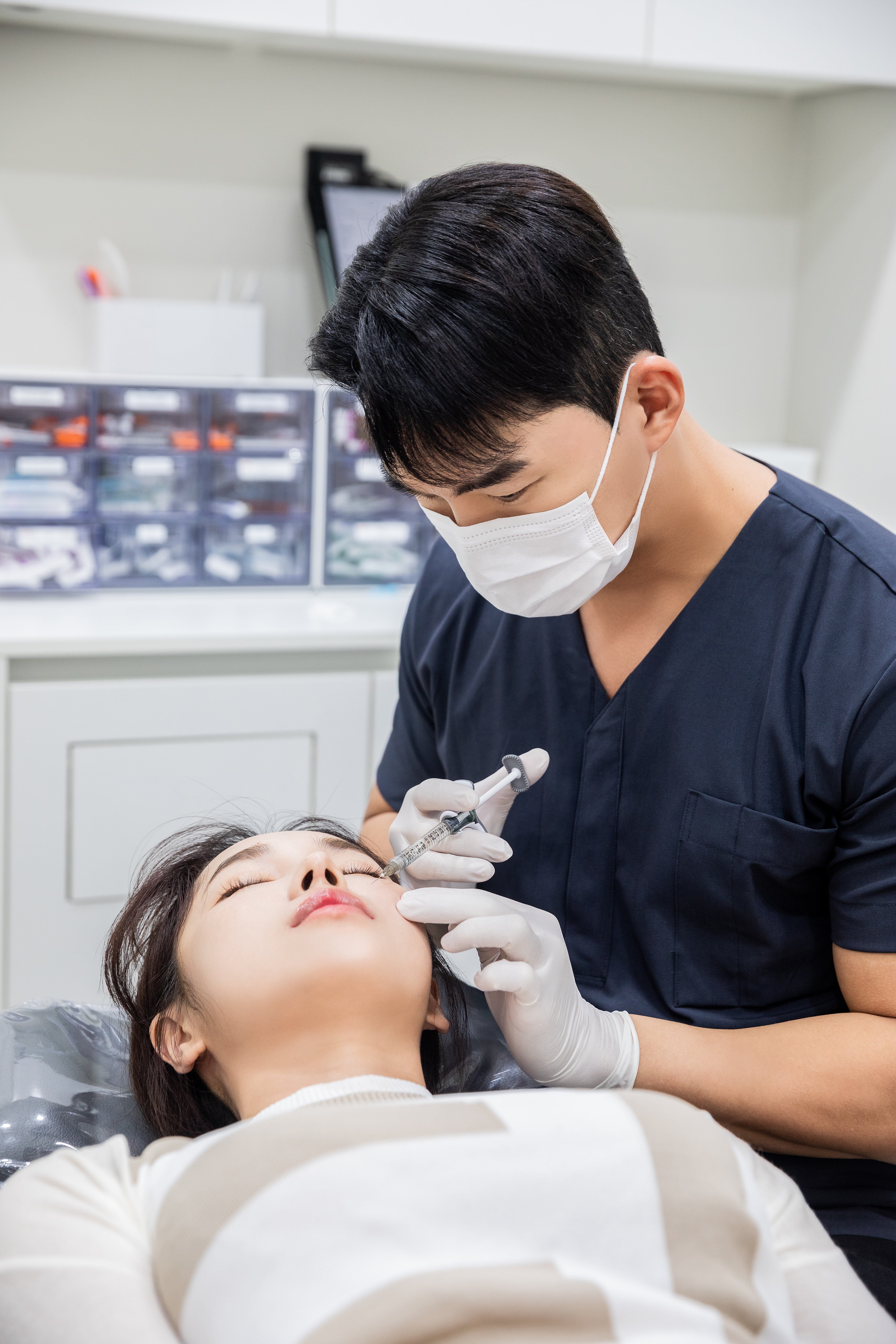
Individualized planning is relevant across different dermatology goals, from lifting and tightening to volume and skin texture. The right discussion depends on what the patient wants addressed and how the available options relate to that goal. Ode Clinic’s treatment range includes energy-based devices, injectables, and skin boosters. Rather than assuming one procedure addresses every concern, patients can discuss the specific goal and the options that match it. A consultation is also a time to review practical considerations and ask how treatment choices are made.
Match treatment categories to the concern
For patients asking about lifting or tightening, Ode Clinic offers options including Ultherapy, Thermage, EMFACE, XERF, Density, Onda, and Shurink. The devices and treatment approaches are not interchangeable simply because they share a broad category. The doctor can discuss which option may be relevant to the patient’s concern and explain the basis for the recommendation. A patient should not assume that a device used by someone else is automatically the right choice for their own skin or goals.
Volume-related concerns may lead to a discussion of products such as Hilowave, Juvelook Volume, Sculptra, Olidia, Radiesse, Ultracol 200, or ODE filler. For skin texture or related concerns, options include Re2O, CellREDM, Juvelook, Rejuran, Skinvive, and Potenza. These names represent different treatments, and their purposes should not be conflated. For instance, Juvelook and Juvelook Volume are distinct options. The doctor can help clarify which category is relevant, what a particular treatment is intended to address, and whether it suits the patient’s needs. A treatment list alone cannot determine suitability.
Different concerns call for different conversations, and treatments within the same broad category may not serve the same purpose. The patient’s goal and individual assessment should guide which options are discussed.
Discuss priorities and practical considerations
Patients may weigh several considerations when reviewing a treatment plan, including the concern they want to address, timing, the nature of the procedure, and cost. Ode Clinic’s approach is to listen to patient feedback and work toward a plan suited to the individual rather than a standard package. Patients can ask the doctor to explain why a treatment is being considered, what it involves, and what alternatives from the clinic’s range may be worth discussing.
Cost is one practical part of the decision, but it should be connected to the exact treatment and amount under consideration. For example, Ode Clinic lists Hilowave at 600,000 won for 2 cc, Juvelook Volume at 490,000 won for one vial, and Ultherapy at 350,000 won for 100 shots. Thermage is listed at 2,300,000 won for 600 shots. These examples refer to specific products or treatment amounts and should not be applied to other options. Patients can confirm the treatment details and applicable price during consultation before proceeding.
Set realistic expectations
Before deciding, patients should understand the intended focus of a treatment and the fact that individual responses differ. A consultation can help clarify what a procedure is designed to address, while also making space for the patient to discuss questions or preferences. Ode Clinic’s stated approach includes maintaining a consistent level of care before and after procedures. That commitment supports continued communication; it does not mean that a particular outcome can be guaranteed.
Expectations are clearer when the treatment plan is specific about its purpose. A patient seeking a change in skin texture, for example, may need a different discussion from someone primarily concerned about volume or facial sagging. Even when a treatment is appropriate to consider, the timing and degree of visible change can depend on individual condition. Patients can ask how the doctor will assess whether the option matches their concern and what follow-up discussion may involve. This helps keep the decision grounded in the patient’s goals and the treatment’s intended use.
It is also reasonable to take time to consider a recommendation. Patients do not need to choose a procedure simply because it has been discussed. A useful consultation should leave the patient with a clearer understanding of the options and enough information to decide whether to proceed, ask further questions, or revisit the plan.

Customized treatment planning from consultation to follow-up
Care includes more than selecting a procedure. Consultation, treatment design, patient questions, and follow-up all contribute to the overall experience. Ode Clinic’s stated commitments include attentive listening, individualized care, ongoing service improvement, and consistent attention before and after procedures. Patients can use each stage of the process to ask questions and make sure they understand the plan. The clinic’s address and phone number are provided in the FAQ for practical planning.
Use consultation to clarify the next step
During a consultation, patients can explain their main concerns and ask how the doctor views the available options. Useful questions include what a treatment is intended to address, how the procedure is approached, and what factors matter when deciding whether to proceed. This kind of conversation helps patients understand the reasoning behind a plan. It also gives the doctor an opportunity to hear the patient’s preferences before a decision is made.
Patients can make the most of the conversation by being direct about their priorities. If a particular concern matters more than others, say so. If there is uncertainty about a device or injectable, ask for a clear explanation of its role. It is also helpful to raise relevant treatment history and concerns about the procedure. No one needs to know the name of a treatment in advance to begin the discussion; describing the desired area or change is enough to establish a starting point. The doctor can then explain which options may be relevant and what should be considered before deciding.
Consultation is an active part of care, not just a step before a procedure. Patients can share their priorities, ask for explanations, and make a considered decision about the next step.
Know what information to bring
Patients do not need a complicated checklist to prepare. It is useful to note the main concern, the areas they want to discuss, and any questions about treatment or cost. Sharing relevant treatment history can also help the doctor understand the context of the consultation. If a patient has a specific preference or concern, such as wanting to compare treatment categories, raising it early can make the discussion more useful.
Preparation should support a clear conversation rather than create pressure to select a procedure in advance. Patients can bring questions about how an option works, what its intended purpose is, and what practical considerations apply. The doctor can explain the options available at Ode Clinic and discuss whether one aligns with the patient’s needs. The patient can then consider the information and decide how to proceed. This approach respects individual choice and avoids treating a procedure as a fixed answer for everyone with a similar concern.
Continue communication after treatment
Questions may arise after a procedure, so patients should know that communication remains part of care. Ode Clinic’s stated commitment is to maintain the same attentive approach before and after treatment. Patients can share feedback and discuss concerns with the medical staff. Any follow-up discussion should stay connected to the treatment received and the patient’s individual experience rather than relying on assumptions about how everyone responds.
Patients should also keep expectations grounded in their own circumstances. Results and the time needed to see changes can differ depending on individual condition and the treatment selected. If a concern arises after a procedure, raising it with the clinic allows the medical staff to respond in context. Ongoing communication supports a more informed care experience, but it does not replace individualized medical advice. Before leaving the consultation, patients can ask how to get in touch if they have questions later.
Making a decision is easier when the patient understands both the purpose of the plan and how to continue the conversation afterward. Patients can review what was discussed, consider their preferences, and ask for clarification if needed. This keeps the next step deliberate and centered on the individual’s concerns rather than on a one-size-fits-all expectation.



Frequently Asked Questions
Q.What kind of dermatology care does Ode Clinic offer?
A.Ode Clinic offers dermatology treatments that include lifting and tightening devices, injectables, and skin boosters. The doctor discusses options in relation to each patient’s concerns.
Q.Who may benefit from an individual treatment consultation?
A.People considering care for concerns such as facial sagging, volume, or skin texture can discuss their goals with the doctor. Suitability depends on individual assessment.
Q.How does Ode Clinic decide which treatment to discuss?
A.The doctor considers the patient’s concerns and discusses relevant options from the clinic’s treatment range. Patients can ask about the purpose of a recommended treatment before deciding.
Q.What should I prepare before a consultation?
A.Note the concerns you want to address, any relevant treatment history, and questions about options or cost. This can help keep the discussion focused on your priorities.
Q.Where is Ode Clinic, and how can I contact it?
A.Ode Clinic is at Seoul, Gangnam District, Gangnam-daero, 340 8F. For inquiries, call +82 2-569-0222.
Clinic Information
| Clinic | Ode Clinic |
|---|---|
| Specialty | Dermatology |
| Address | Seoul, Gangnam District, Gangnam-daero, 340 8F |
| Phone | +82 2-569-0222 |
| Website | https://odeclinicseoul.com/en |
 Ode Clinic