Tailored XERF Lifting: What Personalization Means
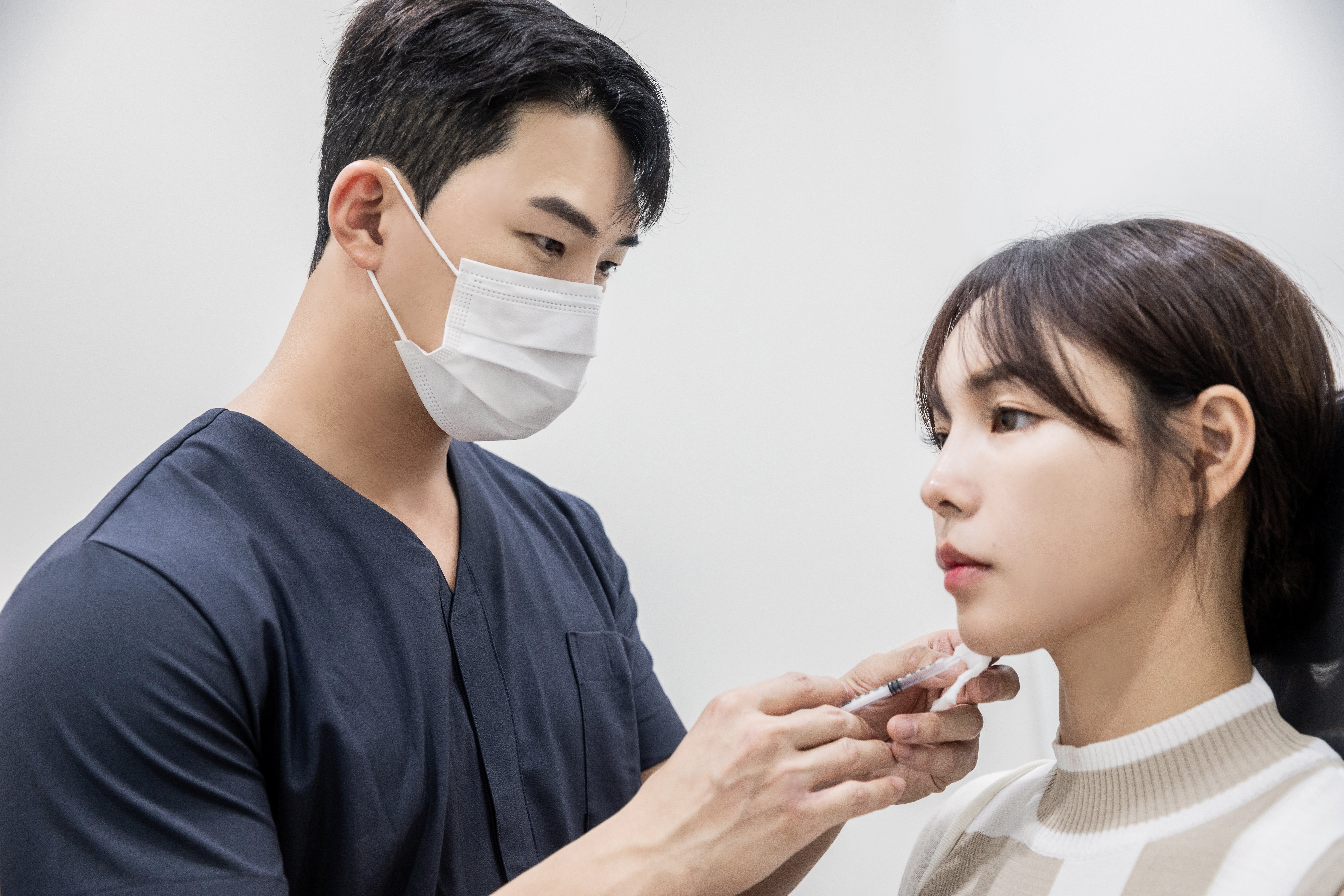
Tailored XERF lifting is not simply a choice of device or shot count. The plan should reflect the areas a patient wants to address, the skin’s condition, and whether the main concern is laxity, contour change, or skin firmness. At Ode Clinic, the doctor who performs the treatment conducts the consultation and discusses a suitable approach with the patient. The goal is an informed plan, not a uniform protocol applied to every face. Treatment timing, expected duration, cost, and potential side effects are part of that discussion.
How XERF Radiofrequency Is Used
XERF uses radiofrequency energy delivered at two frequencies: 6.78 MHz and 2 MHz. Ode Clinic uses its DEEP MODE protocol for XERF lifting. The treatment is designed to address deeper tissue layers as well as skin elasticity, rather than focusing only on surface texture. Powerful cooling is incorporated to help minimize discomfort and downtime, although each person’s experience can differ. Device settings and treatment areas should be selected in consultation with the doctor.
Radiofrequency treatments are not interchangeable simply because they use heat. The energy approach, treatment depth, and intended purpose can differ between devices and protocols. With XERF, DEEP MODE is the protocol used at Ode Clinic, and the dual frequencies are delivered together as part of the treatment. The DEEP MODE session takes approximately one and a half times longer than other XERF modes, allowing more time for energy delivery to deeper layers. A consultation can help clarify whether this approach aligns with a patient’s concerns and expectations. It is also a chance to discuss how XERF compares with other available options, rather than assuming one device is appropriate for everyone.
Personalization begins by identifying the concern the patient actually wants to address, then matching it to a suitable treatment approach. XERF at Ode Clinic is delivered in DEEP MODE, but the consultation remains essential for deciding whether it fits an individual plan.
Why a One-to-One Consultation Matters
A consultation with the doctor who performs the procedure gives the patient an opportunity to discuss priorities directly with the treating medical professional. This can include the areas of concern, preferences about treatment, timing, and questions about expected changes. Patients who are unfamiliar with lifting procedures can use the conversation to understand the available choices before deciding. A treatment plan should follow an assessment and discussion, not a device name alone.
Ode Clinic’s approach is based on direct consultation with the doctor performing the treatment. The discussion can consider patient needs, the timing of results, the expected duration of effects, cost, and potential side effects. These considerations help frame a practical decision: whether XERF is appropriate, which areas to consider, and whether another treatment should be discussed instead. Ode Clinic also has other lifting and tightening equipment, including Ultherapy, Thermage, EMFACE, Density, Onda, and Shurink. Having a range of options allows the consultation to address more than one possible approach without presenting XERF as a universal solution.
What “Tailored” Should Cover
A useful treatment plan explains the reason for selecting a procedure and how the plan relates to the patient’s concerns. Patients can ask which areas are being considered, what the selected protocol involves, and what changes may take time based on individual condition. It is also reasonable to discuss costs and follow-up expectations before proceeding. Clear answers make it easier to give informed consent and set realistic expectations.
Shot count is one part of a plan, but it does not by itself explain whether a treatment is suitable. Patients should understand the selected mode, intended treatment areas, and why that approach has been proposed. If the main concern is not aligned with the treatment’s purpose, the consultation is the time to explore alternatives. A personalized plan should also take account of the patient’s preferences and any questions about comfort or recovery. Since individual conditions differ, the doctor can discuss how the proposed treatment fits the patient’s situation rather than promising a particular result.
Ode Clinic states that its medical staff use genuine products and precise dosages. For XERF, the clinic’s stated approach centers on the DEEP MODE protocol. Patients can ask the doctor to explain the plan in plain language before treatment, including what the session involves and which concerns it is intended to address. Understanding the plan is part of choosing it.
Tailored XERF Lifting: Planning Treatment Areas
Planning treatment areas means connecting the patient’s concerns with the treatment approach discussed during consultation. XERF is used at Ode Clinic as a lifting treatment, with the DEEP MODE protocol delivering dual-frequency radiofrequency energy. The doctor can discuss areas such as nasolabial folds, sagging around the mouth, a less defined jawline, reduced elasticity, or facial sagging. The presence of a concern does not automatically make XERF the right choice; an individual assessment helps determine whether it fits the patient’s goals and condition.
Matching Concerns to a Treatment Discussion
Patients may seek advice about visible laxity, changes around the mouth, a less distinct jawline, or reduced skin elasticity. These concerns can overlap, so it is helpful to describe what feels most important rather than selecting a procedure based on a single symptom. During consultation, the doctor can review whether XERF’s DEEP MODE approach is relevant and discuss alternatives when appropriate. The consultation should clarify the purpose of the treatment before a plan is finalized.
Not every change in facial contour has the same cause, and a treatment choice should not be based on a broad label such as “lifting” alone. A patient can explain which areas are bothersome and what kind of change they hope to discuss; the doctor can then assess whether XERF is a reasonable option. The conversation should also cover the treatment’s intended role and its limits. Ode Clinic offers other devices, including Ultherapy and Thermage, as well as EMFACE, Density, Onda, and Shurink. The presence of multiple options supports a comparison during consultation, but it does not mean that combining devices is necessary or suitable for each person.
Start with the concern, not with a preset number of shots. The doctor can assess whether the DEEP MODE XERF approach fits the treatment area and discuss other options when the patient’s goals point elsewhere.
How DEEP MODE Fits the Treatment Plan
Ode Clinic’s XERF protocol uses DEEP MODE, combining 6.78 MHz and 2 MHz radiofrequency frequencies. The clinic describes this approach as targeting deeper layers while also addressing elasticity. DEEP MODE takes longer than other modes, at approximately one and a half times the treatment time. Cooling is used to help minimize discomfort and downtime, but comfort and recovery can vary by individual. Patients should discuss their expectations and concerns before proceeding.
When discussing DEEP MODE, patients can ask what the mode means for their particular plan and why it has been selected. The doctor can explain the intended treatment areas, the session process, and how the approach relates to the patient’s concerns. The discussion is also a chance to ask about comfort, possible downtime, and what to expect afterward. Because DEEP MODE takes more time than other XERF modes, the planned treatment duration should be understood in advance. A careful explanation helps patients make a considered choice without treating the device setting as a guarantee of a specific outcome. Individual changes may take time depending on condition.
Considering Other Lifting and Tightening Options
XERF is one of several lifting and tightening devices available at Ode Clinic. The clinic also has Ultherapy, Thermage, EMFACE, Density, Onda, and Shurink. These treatments use different technologies, so the appropriate comparison depends on the patient’s concerns and the doctor’s assessment. Rather than assuming one device is preferable, patients can ask how the options differ and why a specific approach is being considered. Device selection should follow the consultation, not replace it.
Different procedures may be discussed for different goals. The reference information describes Ultherapy as focused ultrasound lifting, while Thermage uses monopolar radiofrequency for tightening; XERF uses two radiofrequency frequencies in DEEP MODE. This does not establish that one option is suitable for every patient or that treatments should be combined. The doctor can discuss the differences in the context of skin condition, areas of concern, timing, expected duration, cost, and potential side effects. Patients who have previously had a lifting procedure can mention what they received and what they would like to address now, so the conversation can focus on their current priorities.
A treatment plan should also account for a patient’s comfort preferences and practical considerations. Patients can ask what the session involves, how long the selected protocol takes, and what guidance applies after treatment. Since individual circumstances vary, the doctor is best placed to explain these points in relation to the proposed plan. Specific questions are useful; patients do not need to know the technical terminology before a consultation.

Tailored XERF Lifting: Consultation, Cost, and Care
Before scheduling XERF, patients should understand the proposed protocol, the areas to be treated, and the cost associated with the selected shot count. Ode Clinic lists DEEP MODE XERF at 1,000,000 KRW for 300 shots. The final treatment plan should be discussed with the doctor, who can explain whether that option matches the patient’s needs. Consultation also provides space to discuss timing, expected duration of effects, and potential side effects without assuming that every patient will have the same experience.
Questions to Ask Before Treatment
Patients can prepare by noting their main concerns and any previous lifting or tightening procedures. Useful questions include why XERF is being considered, which areas are included, what DEEP MODE involves, and how the proposed shot count relates to the plan. Patients may also ask about the session length, comfort, and aftercare. A clear consultation helps patients understand the recommendation before making a decision.
It can be helpful to distinguish between information that is specific to the device and information that depends on the patient. The XERF protocol at Ode Clinic uses 6.78 MHz and 2 MHz frequencies in DEEP MODE, and the clinic lists a 300-shot option. The doctor can explain how the planned areas and shot count are selected for an individual. Patients should also share relevant concerns about comfort or timing so these can be considered in the discussion. No treatment plan should be treated as a promise of a particular result; changes may take time and differ according to individual condition.
A practical consultation covers the planned areas, mode, shot count, cost, and questions about comfort or aftercare. Knowing these details helps patients decide whether the proposed treatment fits their priorities.
Understanding the Listed XERF Cost
Ode Clinic lists DEEP MODE XERF at 1,000,000 KRW for 300 shots. The listed amount refers to that specific XERF option and should not be assumed to apply to a different shot count or procedure. Patients can ask the clinic to confirm the plan and associated cost during consultation. Discuss the proposed treatment and its price together before making a decision.
Cost is one factor in treatment planning, alongside the patient’s goals, timing, expected duration, and potential side effects. A higher or lower shot count should not be chosen without understanding why it is being proposed. The consultation can clarify what the listed 300-shot option includes and whether it corresponds to the areas under discussion. If the doctor recommends a different approach or another device, patients can ask for the associated cost before proceeding. This makes it easier to compare options on relevant details instead of relying on a price alone.
Preparing for a Visit to Ode Clinic
Before visiting, patients can write down their primary concerns, previous procedures, and questions about XERF or other lifting options. Bringing this information into the consultation can help the doctor understand the patient’s priorities. Patients who are unsure which procedure to choose can say so directly; the clinic’s approach includes consultation with the doctor who performs the treatment. No technical knowledge is needed to begin the conversation.
During the visit, patients can ask for an explanation of the recommended plan, including the intended areas, protocol, session duration, cost, and care guidance. Ode Clinic states that it uses genuine products and precise dosages, and its treatment planning emphasizes direct medical consultation. Patients should make sure their questions are addressed before consenting to a procedure. If a recommendation is unclear, asking the doctor to explain it in simpler terms is a reasonable part of the decision-making process. The treatment plan should be understood by the patient, not merely selected on their behalf.
Ode Clinic is located at 8F, 340 Gangnam-daero, Gangnam-gu, Seoul. For inquiries, call +82 2-569-0222. Patients can contact the clinic to ask about arranging a consultation and then discuss whether XERF is suitable for their individual concerns.



Frequently Asked Questions
Q.What kind of clinic is Ode Clinic?
A.Ode Clinic is a dermatology clinic in Seoul offering lifting and tightening treatments, including XERF. The clinic uses one-to-one consultations with the doctor who performs the procedure to discuss treatment planning.
Q.Who might consider XERF at Ode Clinic?
A.People concerned about facial sagging, nasolabial folds, sagging around the mouth, a less defined jawline, or skin elasticity can discuss XERF with the doctor. Suitability depends on an individual assessment and treatment goals.
Q.How is XERF treatment planned?
A.Ode Clinic uses the DEEP MODE XERF protocol, which delivers 6.78 MHz and 2 MHz radiofrequency frequencies. The doctor discusses the treatment areas and plan with the patient during consultation.
Q.What is the listed cost for XERF?
A.Ode Clinic lists DEEP MODE XERF at 1,000,000 KRW for 300 shots. The treatment plan and applicable cost should be discussed during consultation.
Q.Where is Ode Clinic, and how can I contact it?
A.Ode Clinic is at 8F, 340 Gangnam-daero, Gangnam-gu, Seoul. Call +82 2-569-0222 for inquiries.
Clinic Information
| Clinic | Ode Clinic |
|---|---|
| Specialty | Dermatology |
| Address | Seoul, Gangnam District, Gangnam-daero, 340 8F |
| Phone | +82 2-569-0222 |
| Website | https://odeclinicseoul.com/en |
 Ode Clinic