
What Defines a Non Factory Clinic?
The term non factory clinic describes an approach to care that places individual assessment at the center of treatment planning. It is not a formal medical designation, so the phrase alone does not establish how a clinic operates. When comparing services, look beyond the label and ask how the consultation, procedure, and follow-up are organized. The most useful comparison is not the clinic’s description of itself, but the specific steps it takes to understand your concerns and explain your options.
Individual assessment versus a standard plan
Some patients arrive with a particular treatment in mind, while others know only that they want to address skin laxity, texture, or facial volume. An individual assessment starts with the concern rather than assuming that every patient needs the same procedure. At Ode Clinic, the doctor who performs the procedure provides the consultation. The discussion considers the patient’s needs alongside the timing and duration of potential changes, cost, and possible side effects.
A traditional clinic is not necessarily standardized, just as a clinic using the non factory label is not automatically individualized. Either type can offer direct medical consultations and tailored care. To make a meaningful comparison, ask who will assess your skin, who will perform the procedure, and whether the treatment plan can change after the examination. It is also reasonable to ask why a proposed treatment addresses your main concern and what alternatives the doctor considered. A clear explanation of the reasoning behind a recommendation is more informative than a label or a lengthy list of services.
A personalized approach should be visible in the consultation, not just in the clinic’s name or description. Ask how the doctor connects your concerns with a specific treatment plan.
Who conducts the consultation?
At Ode Clinic, direct consultation with the treating doctor is part of the care process across treatment areas. The consultation is an opportunity to describe what you would like to address and discuss whether a procedure fits that goal. It also allows the doctor to explain the proposed treatment before the plan is finalized through a further consultation.
When comparing clinics, establish whether the person discussing medical options will also perform the procedure. You can ask how the doctor evaluates your concern and whether there will be time to revisit the plan before treatment. These questions are especially useful if you are considering a device-based procedure and are unsure whether your priority is skin firmness, facial sagging, or volume loss. Each concern can call for a different discussion. A consultation should leave you with an understanding of the intended treatment, the areas involved, and the considerations that shaped the recommendation.
What happens during a visit?
Ode Clinic follows a care process that begins with arrival and a one-on-one consultation and treatment design with the chief director. A further consultation is used to finalize the plan. Treatment takes place in a private, single-person room, followed by personalized post-procedure care before departure.
This sequence gives patients a practical way to understand how a visit is organized. The important point is not simply the number of steps, but what each step is intended to accomplish: discussing the concern, deciding on a plan, carrying out the procedure, and addressing care afterward. Patients can ask what each stage will involve for their particular treatment.
| Stage at Ode Clinic | Purpose |
|---|---|
| Consultation and design | Discuss concerns and develop a treatment plan with the chief director. |
| Further consultation | Review and finalize the plan. |
| Private-room procedure | Receive treatment in a single-person room. |
| Customized care | Receive individualized post-procedure management. |
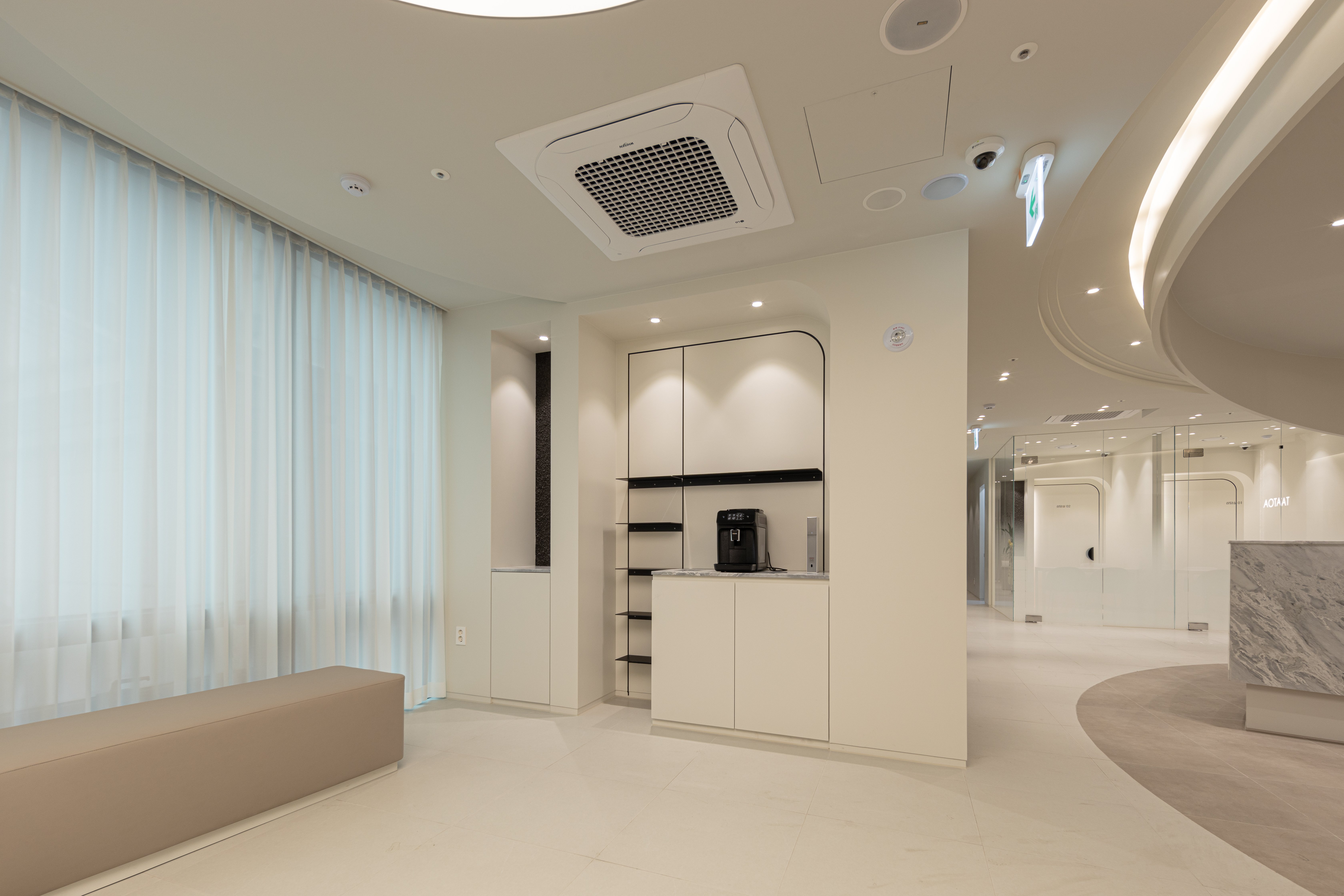
Privacy and follow-up are practical aspects of care that can be discussed before booking. If a private treatment room is important to you, ask how the space is used during your procedure. Similarly, ask what post-procedure management will involve and whether a follow-up review is appropriate. At Ode Clinic, skin diagnostic photographs can also support before-and-after comparisons during follow-up consultations.
Comparing Non Factory Clinic Treatment Options
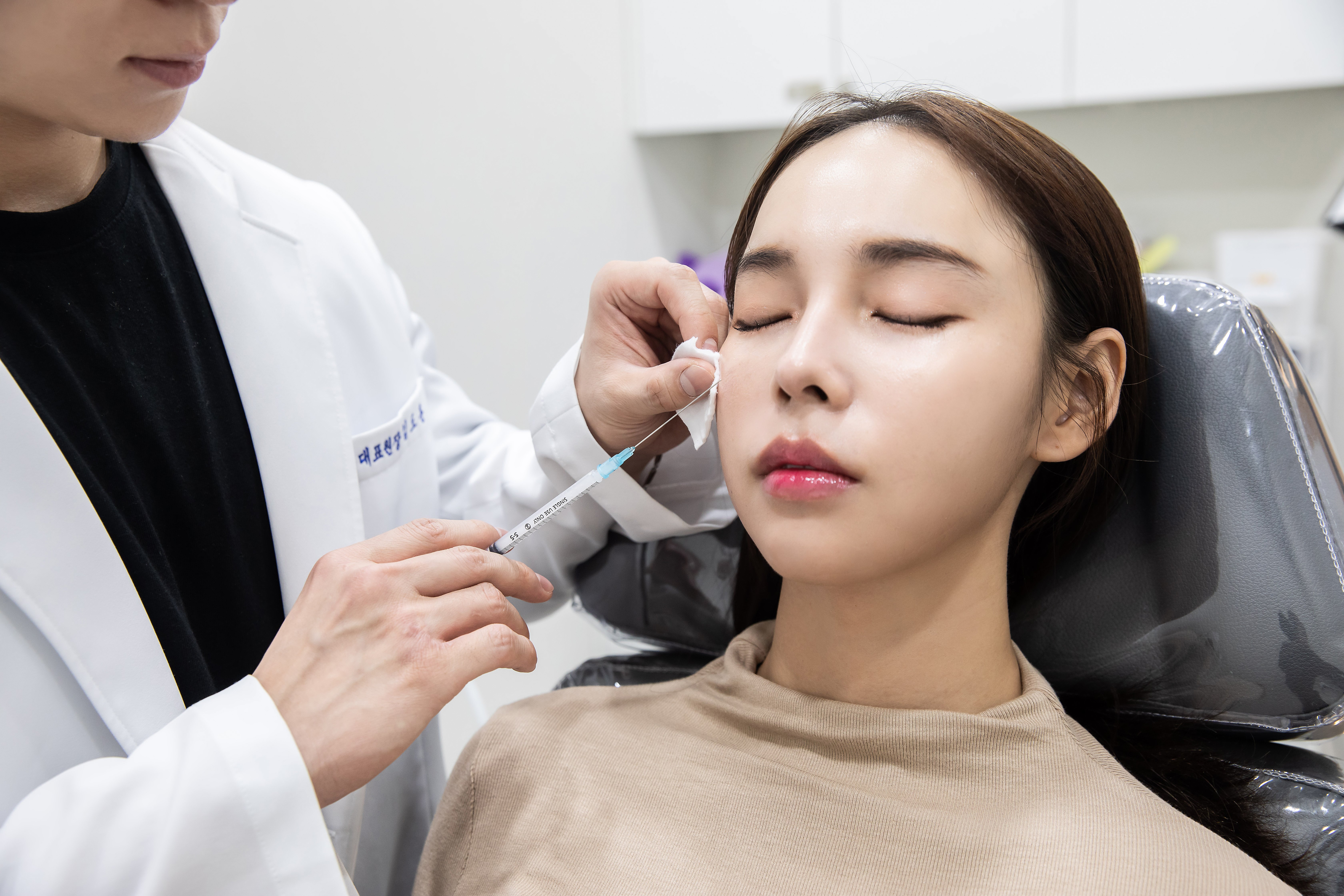
The range of services offered is another useful point of comparison, but a longer menu does not by itself indicate which treatment is appropriate. Ode Clinic offers dermatology services that include lifting and tightening, volume treatments, and skin boosters. The doctor can discuss these options in relation to the patient’s concerns rather than relying on a single device or treatment category. Understanding the purpose of a treatment is more useful than choosing solely by its name.
Lifting and tightening treatments
Lifting and tightening are related goals, but they are not interchangeable. In general, a lifting discussion focuses on sagging and facial contours, while a tightening discussion focuses on skin firmness. Ode Clinic offers device-based options including Ultherapy Prime, Thermage FLX, XERF, and Density Alpha. Ultherapy uses focused ultrasound, while Thermage, XERF, and Density Alpha use radiofrequency energy.
The distinction matters when comparing a proposed treatment with your own priorities. For example, someone concerned primarily about skin firmness may want to ask how a tightening procedure addresses that concern. Someone focused on sagging may want to discuss whether a lifting approach is more relevant. The doctor can also consider facial volume and the areas to be treated when explaining the options. Results are individual, and changes may take time depending on individual condition and the treatment selected. Ask how the proposed procedure works, what it is intended to address, and when a review of changes would be useful.
Lifting and tightening describe different treatment goals, so the device should follow the assessment rather than dictate it. A useful consultation explains why an option matches the concern you want to address.
Volume treatments and skin boosters
Volume treatments and skin boosters also serve different purposes. Ode Clinic offers Juvelook Volume among its volume treatments, as well as skin boosters including Re2O and Juvelook Skin. Juvelook Volume and Juvelook Skin are distinct treatments, so patients should confirm which one is being discussed and what the proposed treatment is intended to address.
A volume consultation may focus on areas where the patient is concerned about facial fullness or contour. A skin-booster consultation may instead focus on concerns such as skin texture or elasticity. Re2O uses human-derived dermal tissue components, while Juvelook Skin uses poly-D,L-lactic acid. Treatment selection depends on the individual assessment, not simply on the ingredient or category. Before proceeding, ask the doctor to explain the intended treatment area, how the product is administered, and what follow-up care is recommended. Ode Clinic states that genuine products and precise dosages are used.
How to compare a proposed plan
When reviewing recommendations from different clinics, compare plans on the same points: the concern being treated, the proposed procedure, the treating doctor’s role, and the expected follow-up. Ask whether the treatment is intended primarily for firmness, sagging, volume, or skin texture. This makes it easier to see whether the recommendations are addressing the same goal.
It is also reasonable to ask about cost, potential side effects, and the expected timing of changes before making a decision. A treatment plan should be understandable without assuming that more procedures or more equipment necessarily mean a better fit. Ode Clinic considers these practical factors as part of the treatment discussion.
| Treatment category | Examples at Ode Clinic | Discussion point |
|---|---|---|
| Lifting and tightening | Ultherapy Prime, Thermage FLX, XERF, Density Alpha | Whether the main concern is sagging, firmness, or both. |
| Volume | Juvelook Volume | Which areas and volume concerns are being assessed. |
| Skin boosters | Re2O, Juvelook Skin | Whether the plan addresses concerns such as texture or elasticity. |
These categories are a starting point for discussion, not a substitute for an examination. A patient can have more than one concern, and the doctor may discuss how to prioritize them. If a recommendation differs from what you expected, ask why. Understanding the clinical reasoning can help you decide whether to proceed, consider an alternative, or take more time before treatment.
Planning a Non Factory Clinic Consultation
A productive consultation begins with a clear description of what you would like to address. You do not need to arrive knowing the name of a procedure. Instead, consider which changes concern you, where you notice them, and what you hope to discuss. Bring your questions about the procedure, cost, potential side effects, and follow-up so the doctor can address them before the plan is finalized.
Preparing for your appointment
Before your visit, note your main concerns and any previous treatments you want to discuss. If you have a particular procedure in mind, explain what attracted you to it and what outcome you hope to discuss. This gives the doctor a starting point for assessing whether that option fits your needs or whether another approach deserves consideration.
It can also help to decide which practical details matter to you. You may want to ask about the treatment setting, the use of genuine products, or how post-procedure care is organized. If you are considering an injectable treatment, ask which product is proposed and why. For a device-based treatment, ask what the device is intended to address and how the treatment area will be selected. The goal is not to make a medical decision in advance, but to arrive ready to have a specific conversation. At Ode Clinic, the treatment plan is reviewed again before the procedure.
Preparation is less about choosing a treatment in advance and more about communicating your priorities. A clear discussion gives the doctor a basis for explaining the plan and its practical considerations.
Points to consider before treatment
Every procedure deserves a discussion of its potential side effects and the care needed afterward. The considerations depend on the treatment and the individual patient. Ask the doctor what to expect, what post-procedure instructions apply, and how to raise a concern after your visit. If discomfort is a concern, include that in the consultation rather than assuming all procedures feel the same.
Timing is another important part of planning. Some treatment-related changes develop gradually, and the timing can differ by procedure and individual condition. For example, Thermage is discussed as a treatment for which changes develop gradually. Ask when it would be appropriate to assess the outcome and whether follow-up photographs would be useful. Ode Clinic uses skin diagnostic photographs for before-and-after comparisons and provides follow-up consultations. No photograph or treatment plan can guarantee a particular result, but a structured review can help make the discussion of changes more specific.
Comparing care beyond the procedure
The procedure itself is only one part of a clinic visit. When comparing services, consider whether the clinic explains its treatment process, offers an opportunity to review the plan, and discusses care afterward. At Ode Clinic, the care process includes a private-room procedure and personalized post-procedure management.
Cost is also a valid consideration, but it should be assessed alongside what the proposed plan includes. Ask for an explanation of the recommended procedure and any related care before deciding. If you are comparing quotes, check whether the recommendations concern the same treatment and treatment area; a price alone cannot explain those differences.
Ultimately, choosing between clinics is a matter of finding a care process you understand and a plan that addresses your concerns. Whether a clinic calls itself non factory or traditional, ask direct questions and allow time for the doctor to explain the options. Ode Clinic’s approach centers on consultation with the treating doctor, a reviewed treatment plan, private-room care, and individualized follow-up.



Frequently Asked Questions
Q.What kind of care does Ode Clinic offer?
A.Ode Clinic offers dermatology care, including lifting and tightening, volume treatments, and skin boosters. Treatment planning includes a one-on-one consultation with the doctor.
Q.Who might consider a consultation at Ode Clinic?
A.A consultation may be useful for someone who wants to discuss concerns such as skin firmness, sagging, facial volume, or skin texture. The doctor assesses the concern and discusses treatment options.
Q.What treatments can I discuss during a visit?
A.Options include Ultherapy Prime, Thermage FLX, XERF, Density Alpha, Juvelook Volume, Re2O, and Juvelook Skin. The choice depends on the concern and the doctor’s assessment.
Q.What should I prepare before my appointment?
A.Consider which concerns you want to address and bring questions about the proposed procedure, cost, potential side effects, and follow-up. You can also discuss any previous treatments with the doctor.
Q.Where is Ode Clinic, and how can I contact the clinic?
A.Ode Clinic is at 8F, Gyeongwon Building, 340 Gangnam-daero, Gangnam-gu, Seoul. Call +82 2-569-0222 to inquire about an appointment; hours are Monday to Friday, 11:30 AM to 8:30 PM, and Saturday to Sunday, 10:00 AM to 4:00 PM, without a lunch break.
Clinic Information
| Clinic | Ode Clinic |
|---|---|
| Specialty | Dermatology |
| Address | Seoul, Gangnam District, Gangnam-daero, 340 8F |
| Phone | +82 2-569-0222 |
| Website | https://odeclinicseoul.com/en |
 Ode Clinic