How a Personalized XERF Approach Begins
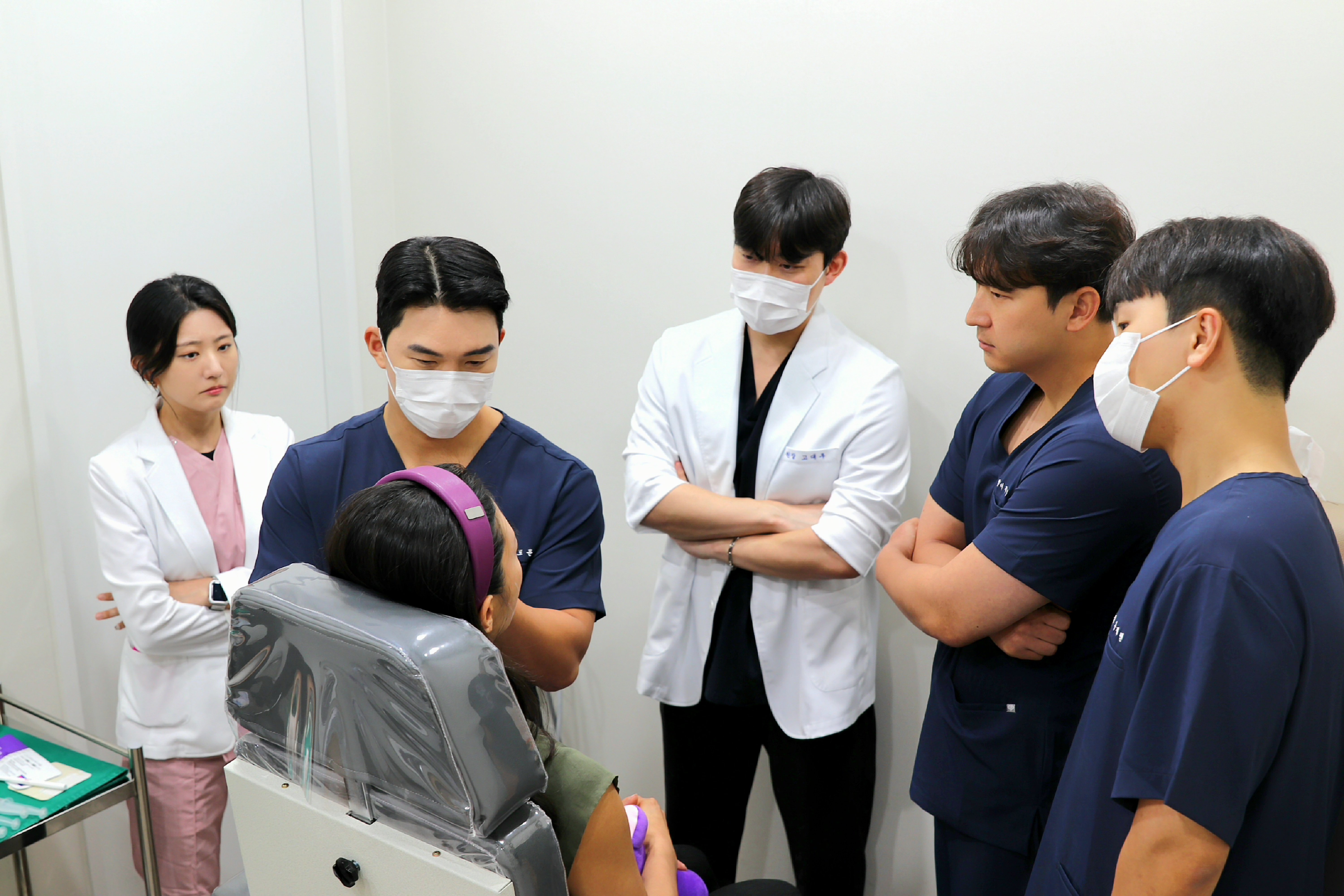
A personalized XERF approach begins by identifying what a patient wants to address rather than assuming that one treatment plan suits everyone. Concerns may include reduced skin elasticity, facial sagging, folds around the mouth, or a less defined jawline. The doctor performing the procedure consults directly with the patient, discusses the treatment options, and develops a plan based on the individual’s condition and priorities. This conversation helps clarify whether XERF is relevant to the concern and what role it may play in a broader treatment plan.
Start with the concern, not the device
People often arrive with a treatment name in mind, but a device should not replace an assessment of the concern itself. A patient may be focused on skin firmness, while another may be more concerned about sagging around the mouth or changes in facial contour. These goals are related, but they are not identical. Defining the main concern first gives the consultation a practical starting point and helps the doctor discuss whether XERF matches the intended treatment focus.
At Ode Clinic, consultation is conducted by the doctor who performs the procedure, rather than being limited to a general discussion with non-medical staff. The doctor can review the patient’s priorities, explain how XERF is intended to work, and discuss whether another lifting, tightening, or volume-focused option may be more suitable. The clinic offers treatments across volume, lifting and tightening, anti-aging, skin booster, and body program categories. The purpose of this discussion is to connect the proposed treatment with the patient’s actual concern, not to select a device before the assessment.
A useful XERF plan begins with a clear understanding of the concern, not a preset number of treatments. Direct consultation with the doctor helps align the treatment discussion with the patient’s goals and individual condition.
Understand what XERF is designed to address
XERF is a radiofrequency lifting treatment that uses two frequencies: 6.78 MHz and 2 MHz. Ode Clinic uses a DEEP MODE-only XERF protocol, which is designed to deliver energy to deeper layers, including the SMAS. The treatment is used for concerns such as facial sagging, reduced elasticity, nasolabial folds, sagging around the mouth, and a less defined jawline. Understanding the treatment’s intended focus helps patients have a more informed conversation about whether it fits their needs.
Different technologies act on tissue in different ways, so a personalized discussion can help distinguish among treatment goals. XERF uses radiofrequency energy, while options such as Ultherapy use focused ultrasound; other available treatments include Thermage, EMFACE, Density, Onda, Shurink, and Mirajet. This does not mean that every patient needs a comparison of every device. It means the consultation can focus on the options relevant to the patient’s concern, timing, and preferences. If a patient is unsure how the devices differ, the doctor can explain those distinctions before a decision is made. A treatment name alone does not determine whether it is an appropriate choice.
Set priorities before deciding on a plan
Useful consultation priorities include the area of concern, the type of change the patient hopes to address, and whether the patient is considering one treatment or a combination. The doctor can also discuss treatment timing, the expected course of change, and potential side effects as part of the planning conversation. These details support a more realistic decision than choosing a procedure based only on its name. Patients do not need to arrive with a complete treatment plan already decided.
Some patients know the specific area they want to address but are uncertain about which treatment may fit. Others are comparing a lifting procedure with a tightening option or wondering whether a volume concern should be considered alongside skin laxity. These are appropriate topics for a direct consultation. Ode Clinic’s approach is to discuss the patient’s needs and available options with the doctor who will perform the treatment. The discussion can then clarify the purpose of XERF in the plan, whether another option should be considered, and what the patient should understand before proceeding.
A personalized plan should also leave room for questions. Patients can ask how the treatment is intended to address their concern, what the consultation has identified as the main priority, and how the proposed approach relates to other available options. If the patient’s priorities change, that should be part of the conversation before treatment. Clear questions and a shared understanding of the plan help make the decision more deliberate.

What Shapes a Personalized XERF Approach
A personalized XERF approach depends on more than selecting a device. The consultation considers the patient’s concerns and the treatment’s intended role, then explains the options in context. XERF’s dual-frequency radiofrequency delivery and DEEP MODE protocol are part of that discussion, but they do not replace an individual assessment. The plan should reflect the person being treated, not a uniform formula. Patients can use the consultation to understand what the treatment is intended to do and how it fits their priorities.
Discuss the treatment design in plain language
Patients should be able to understand the broad purpose of a treatment before choosing it. XERF delivers 6.78 MHz and 2 MHz radiofrequency energy, and Ode Clinic’s protocol uses DEEP MODE. The clinic describes this approach as targeting deeper tissue layers for contour lifting. The doctor can explain how that intention relates to the patient’s area of concern and what other options may be relevant. A clear explanation makes it easier to weigh a proposed treatment against the goal it is meant to address.
In a consultation, the patient can describe the changes that matter most and ask how XERF may relate to them. For example, concerns about elasticity and facial sagging can be discussed alongside folds around the mouth or changes in the jawline. The doctor can explain the treatment’s role without promising a particular outcome. Individual responses differ, and changes may take time depending on individual condition. A considered plan also accounts for whether the patient is seeking a lifting-focused treatment, a tightening-focused treatment, a volume solution, or a combination of concerns. Matching the treatment’s purpose to the patient’s priority is central to individual planning.
XERF uses dual-frequency radiofrequency energy, but the treatment decision still depends on the concern being addressed. A direct explanation of the protocol and its intended role helps patients make an informed choice without assuming that one device fits every situation.
Compare options according to the goal
Ode Clinic has a range of lifting and tightening equipment, including Ultherapy, Thermage, EMFACE, XERF, Density, Onda, and Shurink. The presence of different options allows the consultation to consider more than one approach when relevant. It does not mean that all options are interchangeable: each has its own treatment method and intended role. The doctor can discuss the distinctions in relation to the patient’s concern rather than treating the device list as a menu that every patient must navigate alone.
A comparison is most useful when it answers a specific question. A patient may want to know how XERF differs from an ultrasound-based treatment, or whether a concern is better approached as lifting, tightening, or volume restoration. The consultation can also cover timing, duration of effects, cost, and potential side effects as factors in treatment recommendations. These considerations are individual, so the conversation should remain focused on the patient’s circumstances. Choosing between options is not simply a matter of selecting the newest or most familiar device. It is a decision about which treatment purpose best corresponds to the concern and the patient’s preferences.
Keep the plan responsive to the patient
A consultation may change a patient’s initial preference. Someone who arrives asking about XERF may learn that another treatment category deserves consideration, while another patient may confirm that XERF aligns with the concern. That possibility is part of personalized care, not a failure to follow a preset plan. The doctor can explain the reasoning behind the recommendation and address questions before the patient decides whether to proceed.
The plan should be understandable enough for the patient to explain its purpose in their own words: which concern is being addressed, why the treatment is being discussed, and what other options were considered. This does not require technical knowledge before the appointment. The doctor can explain the relevant details during consultation. Taking time to understand the plan can help patients make a decision that reflects their own priorities. If the patient is uncertain, asking for clarification is a reasonable step before treatment.
Patients may also have different preferences about treatment timing and the pace of change. Those preferences can be discussed alongside the clinical assessment and the treatment’s intended role. A personalized plan accounts for these conversations without promising a specific result. Individualized planning means explaining the available choices and their relevance, then making the decision with the patient.
Preparing for a Personalized XERF Approach
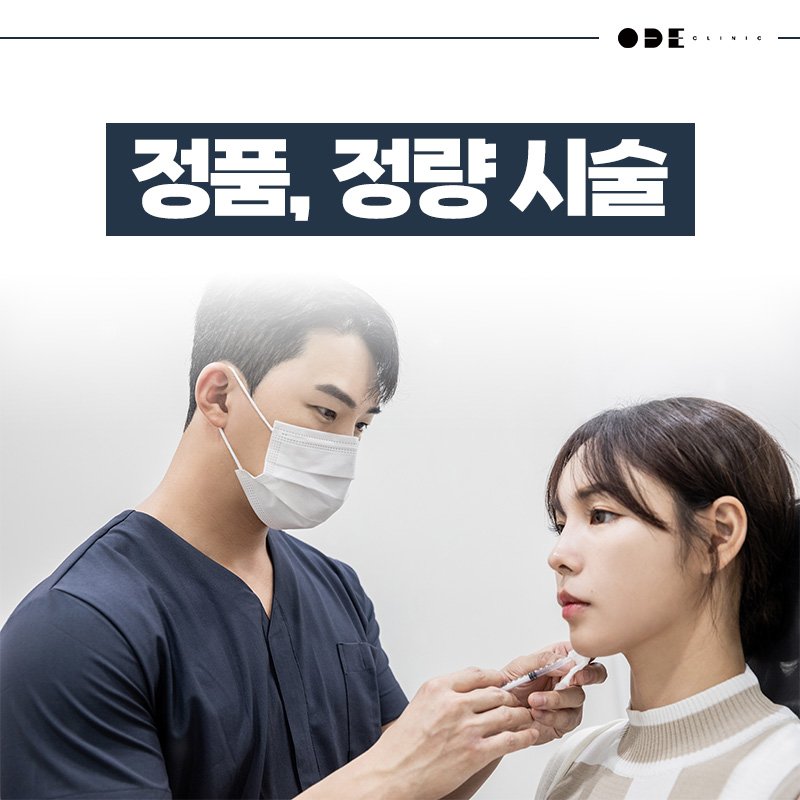
Preparing for a personalized XERF approach does not require a patient to choose a device in advance. It is more useful to consider the areas of concern, the changes that matter most, and any questions about treatment. At Ode Clinic, the doctor performing the procedure provides the consultation directly. This gives patients an opportunity to discuss XERF, other available procedures, and the purpose of a proposed plan before deciding whether to proceed.
Bring clear questions to the consultation
Patients can prepare by describing what they have noticed and which area they would most like to discuss. It may help to explain whether the concern is primarily about facial sagging, skin elasticity, folds, or contour. Patients can also ask what XERF is intended to address in their case, how the DEEP MODE protocol is used, and whether another treatment option should be considered. A focused conversation is more useful than trying to diagnose the concern independently.
It is also reasonable to ask how the doctor arrived at a recommendation and what factors influenced the treatment plan. A good discussion should connect the patient’s stated goals with the purpose of the proposed treatment. Patients who are considering more than one procedure can ask how the options differ and whether they address the same concern or different concerns. There is no need to know technical terminology beforehand. The doctor can explain the relevant details in accessible language, so the patient can consider the treatment with a clearer understanding of its intended role and the points that matter to them.
Preparation can be simple: identify the concern, describe the goal, and bring questions about the proposed treatment. A direct consultation gives the doctor and patient a chance to review whether XERF fits that individual situation.
Know what to expect from the decision process
The consultation is intended to help the patient understand the available options and how they relate to individual needs. Patients may not know which procedure is appropriate when they first arrive, and that uncertainty can be addressed through discussion with the doctor. Ode Clinic offers volume, lifting and tightening, anti-aging, skin booster, and body program treatments, allowing the conversation to consider the relevant category rather than defaulting to one procedure.
Patients should expect an individualized recommendation rather than a guaranteed result. The doctor can discuss treatment purpose, timing, duration of effects, cost, and potential side effects as part of the decision process. The patient can then consider whether the proposed approach fits their priorities and ask follow-up questions as needed. Changes may take time depending on individual condition, and results differ from person to person. A careful consultation is a way to understand the decision, not a promise of a particular outcome. Patients should proceed only when they feel they understand the treatment being discussed.
Contact Ode Clinic and plan a visit
Ode Clinic is a dermatology clinic in Seoul offering lifting and tightening, volume, anti-aging, skin booster, and body program treatments. XERF is one of the lifting options available for discussion. During consultation, the doctor who performs the procedure can discuss whether it fits the patient’s concern and explain the relevant treatment plan. Patients can contact the clinic directly to ask about arranging a visit.
For the consultation, patients can bring questions about their areas of concern, the treatment’s intended role, and available alternatives. They do not need to decide on a procedure before speaking with the doctor. The aim is to understand the options and make a considered choice based on individual priorities. A consultation also gives patients a chance to discuss practical details about their proposed plan before deciding whether to proceed.
Ode Clinic is located at 8F, 340 Gangnam-daero, Gangnam District, Seoul. For inquiries, call +82 2-569-0222. Patients can use the consultation to discuss XERF and other relevant treatment options with the doctor performing the procedure.
A personalized XERF plan should be based on the patient’s concern, an explanation of the treatment’s purpose, and a discussion of relevant alternatives. The clinic’s equipment range supports consideration of different treatment categories when appropriate, while direct consultation helps keep the decision centered on the patient. For questions about whether XERF is suitable, the next step is a consultation with the doctor who performs the procedure.



Frequently Asked Questions
Q.What kind of clinic is Ode Clinic?
A.Ode Clinic is a dermatology clinic offering volume, lifting and tightening, anti-aging, skin booster, and body program treatments. The doctor performing the procedure consults directly with patients about treatment planning.
Q.Who might consider discussing XERF with Ode Clinic?
A.People concerned about facial sagging, reduced elasticity, nasolabial folds, sagging around the mouth, or jawline definition can ask whether XERF is relevant to their goals. Suitability is discussed individually with the doctor.
Q.How is XERF treatment planned?
A.XERF uses dual-frequency radiofrequency energy, and Ode Clinic uses a DEEP MODE-only protocol. The doctor discusses the treatment’s intended role and relevant options during consultation.
Q.What should I prepare before a consultation?
A.Consider which areas concern you most and what changes you want to discuss. You do not need to choose a procedure beforehand; you can bring questions about XERF and other treatment options.
Q.Where is Ode Clinic, and how can I contact it?
A.Ode Clinic is at 8F, 340 Gangnam-daero, Gangnam District, Seoul. Call +82 2-569-0222 to make an inquiry.
Clinic Information
| Clinic | Ode Clinic |
|---|---|
| Specialty | Dermatology |
| Address | Seoul, Gangnam District, Gangnam-daero, 340 8F |
| Phone | +82 2-569-0222 |
| Website | https://odeclinicseoul.com/en |
 Ode Clinic