Authentic Devices: What to Check Before Treatment
Energy-based dermatology treatments use equipment designed for different purposes, including lifting and skin tightening. When considering a procedure, it is reasonable to ask whether the device and its treatment components are genuine. Authenticity is a starting point, not a guarantee of a particular result. The treatment plan, the medical staff’s experience, and your individual skin condition also matter. At Ode Clinic, patients can discuss device selection directly with the doctor who performs the procedure.
Start with the device and model name
Ask for the full name of the device proposed for your treatment, including the model where relevant. A precise name helps you understand what is being used and distinguish the equipment from a similarly described procedure. Ode Clinic offers equipment including Ultherapy Prime, Thermage FLX, XERF, Density Alpha, and EMFACE. These devices use different technologies, so the name of the treatment should be part of the discussion rather than an assumption based on a general term such as lifting.
It is also useful to ask which part of the device will be used on your skin. Depending on the system, the treatment component may be called a tip, applicator, or handpiece. The device name and the component name can help you follow the proposed plan and make more informed inquiries about authenticity. If you want to check identification details, ask the medical staff where to find them and how they can be verified through the device manufacturer. A familiar name or appearance alone does not establish authenticity. Equally, a device’s authenticity should not be inferred simply from the treatment price.
Begin by identifying the proposed device and its treatment component. Once you know exactly what is planned, you can ask how its authenticity can be checked and why it has been selected for you.
Ask about treatment components
Authenticity questions can apply to the treatment component as well as the main device. Ask the medical staff what component will be used, whether it is intended for that system, and how its authenticity can be checked. You can also ask to see its packaging or identification details where available. These questions are practical ways to understand the procedure; they do not replace an assessment by the treating doctor.
Before treatment, clarify how the proposed component relates to the area being treated and the planned number of shots, where applicable. A shot count describes part of the treatment plan, but it does not explain every aspect of how energy will be delivered. The doctor should also consider the treatment area and settings in light of your condition. At Ode Clinic, the consultation is an opportunity to discuss these details before deciding whether to proceed. If a component or model differs from what you expected, ask for an explanation before treatment begins rather than relying on a treatment name alone.
Use identification details carefully
Serial numbers, labels, and packaging can be useful starting points for an authenticity inquiry. Ask what information identifies the proposed device or component, and whether that information can be checked with the manufacturer. A label or serial number on its own is not conclusive proof; verification depends on the information available and the method used to check it. It is also worth distinguishing the identity of the main device from that of the component used during treatment.
If you are reviewing a photograph or advertisement before booking, treat it as an introduction rather than a complete verification. A photograph may show equipment without establishing which device or component will be used for your appointment. During consultation, ask the doctor to identify the proposed equipment and explain its role in your plan. This also gives you a chance to clarify any difference between the treatment you researched and the one recommended for your skin.
| Device | Technology | Question to ask |
|---|---|---|
| Ultherapy Prime | Focused ultrasound | Which treatment component is planned for my treatment? |
| Thermage FLX | Monopolar radiofrequency | How can I check the proposed treatment tip? |
| Density Alpha | Radiofrequency | Which tip is included in my treatment plan? |
| EMFACE | Electrical stimulation and radiofrequency | How will the applicators be used for my treatment? |
These questions are intended to make the consultation more specific. You do not need to determine the correct technology on your own before visiting. Instead, describe your main concern and ask the doctor to explain the proposed device, component, and treatment plan in terms you understand. If you are comparing options, use the same questions for each one. A clear explanation of the equipment should sit alongside a discussion of expected changes, possible risks, and cost.
Authentic Devices and Choosing the Right Treatment
Checking equipment is useful, but choosing a treatment also requires a clinical assessment. A genuine device can be appropriate for one concern and less suitable for another. At Ode Clinic, the treating doctor discusses the patient’s needs, expected timing of changes, cost, and potential side effects when considering options. The goal of the consultation is to connect the equipment to a treatment plan rather than select a procedure solely because its name is familiar.
Compare the technologies
Ultherapy Prime uses focused ultrasound, while Thermage FLX and Density Alpha use radiofrequency. EMFACE combines electrical stimulation with radiofrequency. These technologies approach treatment differently, so it is helpful to ask what each option is intended to address. For example, a discussion about sagging may lead to different considerations from a discussion about skin firmness. The doctor can explain how the proposed device relates to your concerns and whether another option deserves consideration.
Ode Clinic offers more than one type of energy-based equipment, including ultrasound and radiofrequency systems. This allows the consultation to cover the distinction between lifting and tightening rather than treating the terms as interchangeable. A patient concerned about facial sagging can ask how the doctor assesses that concern, while someone focused on firmness can ask about the intended role of a tightening treatment. Neither the device name nor its technology can predict an individual result on its own. Skin condition, treatment design, and the patient’s goals all matter. Ask the doctor to explain why a particular approach is recommended and what level of change is realistic for you.
Authenticity and suitability answer different questions. Confirm what equipment is planned, then discuss whether its treatment approach matches your concern and expectations.
Discuss the treatment plan
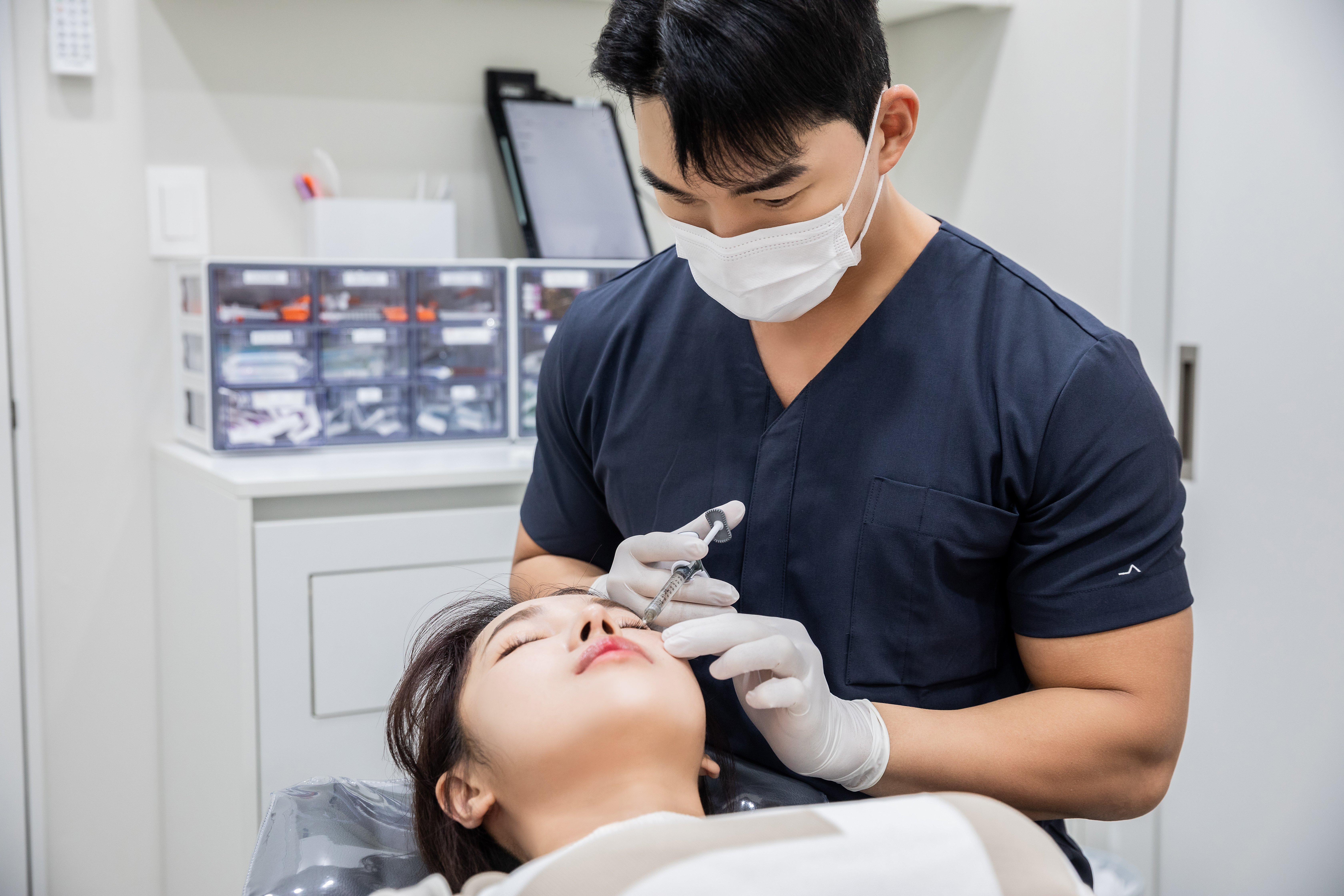
A treatment plan should explain more than the equipment name. Ask which areas will be treated, what the procedure involves, and how the doctor will decide on settings and shot distribution when relevant. You can also discuss previous procedures and any concerns about discomfort or recovery. Ode Clinic provides one-on-one consultations with the treating doctor, giving patients an opportunity to review these questions before a procedure is performed.
If you have researched a specific treatment, share what you hope it will address. The doctor can then explain whether the equipment is suited to that goal or whether another approach should be considered. It is reasonable to ask how the proposed plan accounts for your skin condition and facial volume, as well as what follow-up will involve. The same device name does not mean that every patient receives the same treatment design. Before agreeing to treatment, make sure you understand the intended area, the procedure, and the points that remain important to you. An informed decision can include choosing not to proceed until your questions have been answered.
Points to consider before treatment
Ask about discomfort, possible side effects, and aftercare as part of the consultation. Energy-based procedures can involve sensations of heat or discomfort, and risks depend on the device and treatment plan. The doctor can explain what to expect for the proposed procedure and which symptoms should prompt you to contact the clinic afterward. Changes may take time depending on individual condition and the treatment selected; visible change should not be assumed to follow the same schedule for everyone.
Previous treatments, medications, and relevant health information can help the doctor assess your situation. Bring a list or be ready to describe them, and mention any concerns about sensitivity or recovery. It is also useful to explain whether you are preparing for an event or have scheduling constraints. That context helps frame a discussion about timing without assuming that a procedure will produce a particular result by a particular date.
Ode Clinic uses diagnostic photographs for before-and-after comparisons and offers follow-up consultations. If tracking change matters to you, ask how photographs will be used and when a review would be appropriate. Photographs can support a discussion about change, but individual results differ. A careful consultation should leave you with a clear understanding of the planned procedure, its potential benefits and risks, and the questions you can raise during follow-up.
Authentic Devices: Preparing for an Ode Clinic Consultation
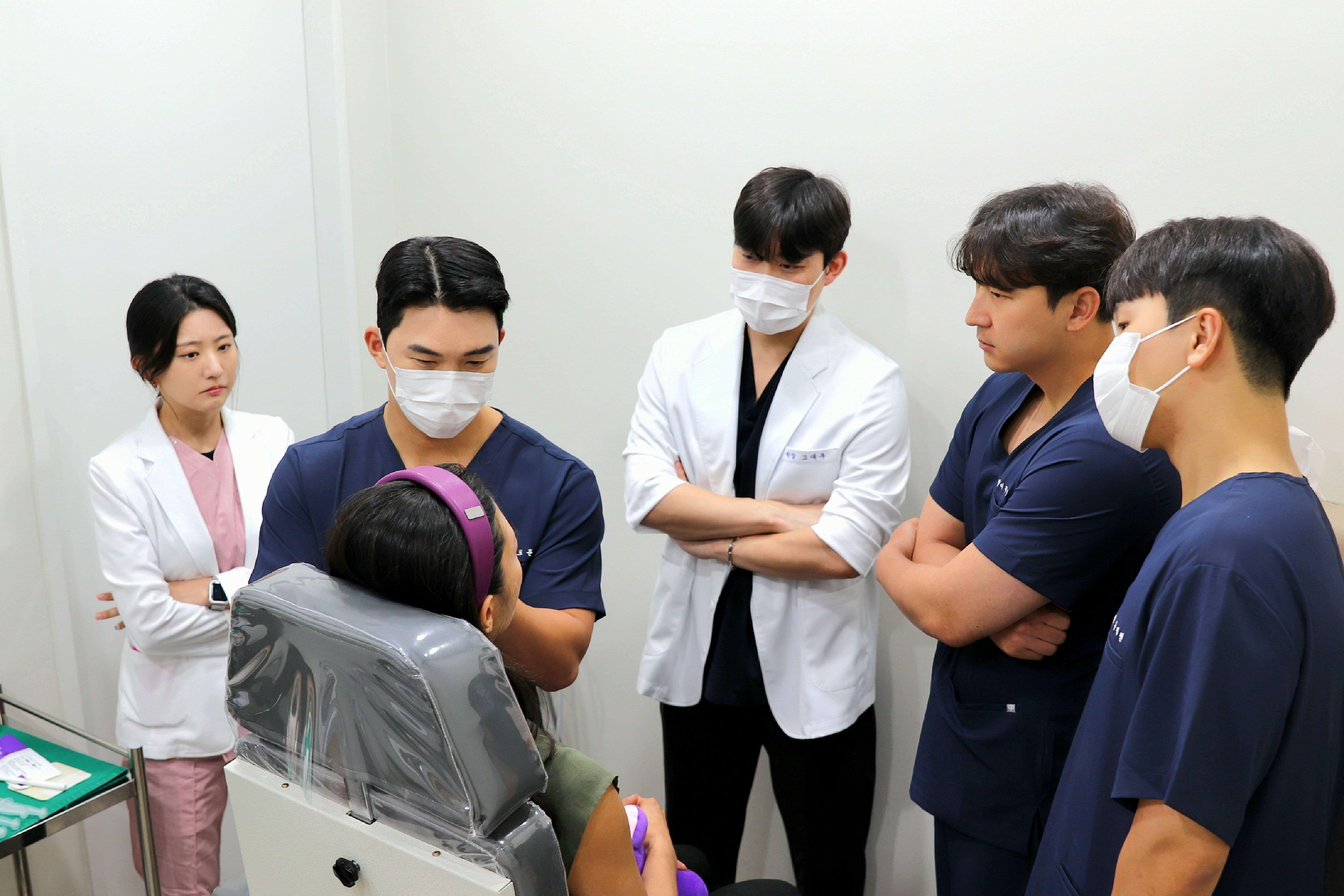
Preparation can make an equipment discussion more useful. Note the treatment you are considering, the concern you want to address, and any questions about the device or its components. At Ode Clinic, the doctor who performs the procedure conducts the consultation. Bring your questions about authenticity together with questions about suitability, treatment design, and aftercare. This approach keeps the equipment check connected to the decision that matters: whether the proposed procedure is appropriate for you.
Bring a focused list of questions
Start with the device and model, then ask what component will be used and how its identification details can be checked. You might also ask why the doctor recommends that device for your concern and what alternatives are available. If a shot count is part of the proposal, ask how it relates to the treatment areas. These questions help you understand the plan without assuming that a particular model or number of shots is suitable for everyone.
Consider writing down your priorities before your appointment. For one patient, the main question may be whether a proposed procedure addresses sagging; for another, it may be how to assess skin firmness or facial volume. Tell the doctor about treatments you have previously received and any response that concerns you. You can also ask how discomfort is managed and what care is recommended afterward. If cost is important to your decision, ask for the price of the specific proposed procedure and what it includes. Make sure the device, component, treatment area, and plan are clear before agreeing to proceed.
A good preparation list covers both equipment and care. Ask how the proposed device can be checked, but also ask why it is recommended and what the procedure will involve.
Review the plan before proceeding
Once the doctor has made a recommendation, repeat the main points back in your own words. Confirm the device name, the intended treatment area, and any planned shot count or component discussed during consultation. If something differs from your original expectation, ask why. This is also the time to discuss potential side effects and aftercare instructions. A clear explanation can help you decide whether you are comfortable with the proposed plan.
Ode Clinic’s approach includes consultation with the treating doctor, a procedure in a private room, and customized care. The medical staff have experience with energy-based lifting procedures and injectable treatments. Depending on your concern, the doctor may discuss more than one approach rather than treating a device as the answer to every issue. Ask how each proposed option relates to your goals, what its potential risks are, and how progress can be reviewed. There is no need to interpret technical terms alone: request a plain-language explanation whenever the model, component, or treatment setting is unfamiliar.
Plan for follow-up
Before leaving, ask what aftercare applies to your procedure and how to contact Ode Clinic if you have a concern. Follow-up is also an opportunity to discuss changes over time. Ode Clinic offers comparisons using diagnostic photographs, which can help structure that conversation. Ask the doctor when a review would be useful for your particular treatment rather than assuming that all procedures follow the same timeline.
Keep a record of the treatment name and the plan discussed with the doctor. This can be useful when asking follow-up questions or discussing future treatment. If you are comparing an earlier consultation with a later recommendation, note any changes in your concerns or health information as well. Authenticity, treatment selection, and follow-up are related parts of an informed decision, but none should be considered in isolation.
Ode Clinic is located at 8F, Gyeongwon Building, 340 Gangnam-daero, Gangnam-gu, Seoul. The clinic is open Monday through Friday from 11:30 AM to 8:30 PM and Saturday and Sunday from 10:00 AM to 4:00 PM, without a lunch break. For consultation inquiries, call +82 2-569-0222.


Frequently Asked Questions
Q.What does Ode Clinic offer?
A.Ode Clinic provides dermatology treatments, including energy-based lifting and tightening procedures. Equipment options include Ultherapy Prime, Thermage FLX, XERF, Density Alpha, and EMFACE.
Q.Who might consider a consultation at Ode Clinic?
A.A consultation can be useful for someone concerned about facial sagging, skin firmness, or volume. The treating doctor discusses the patient’s needs before recommending a treatment plan.
Q.How does the doctor choose a treatment?
A.The treating doctor conducts a one-on-one consultation and considers the patient’s concerns, timing, cost, and potential side effects. The discussion can include ultrasound and radiofrequency options.
Q.What should I prepare before my visit?
A.Bring questions about the proposed device and treatment component, and be ready to discuss your concerns and previous procedures. You can also ask about the planned treatment areas, aftercare, and cost.
Q.How can I arrange a consultation at Ode Clinic?
A.Contact Ode Clinic by phone to inquire about a consultation. The clinic is open every day without a lunch break.
Clinic Information
| Clinic | Ode Clinic |
|---|---|
| Specialty | Dermatology |
| Address | Seoul, Gangnam District, Gangnam-daero, 340 8F |
| Phone | +82 2-569-0222 |
| Website | https://odeclinicseoul.com/en |
 Ode Clinic