
How customized Thermage FLX treatment works
Thermage FLX is a radiofrequency treatment designed to address skin firmness, texture, and fine wrinkles. It delivers energy into the dermis, where heat can cause collagen fibers to contract and stimulate a remodeling process over time. The aim is gradual tightening, not a dramatic change in facial contours. At Ode Clinic, treatment planning begins with an assessment of the patient’s skin and concerns rather than a uniform approach. The doctor can explain whether tightening is a suitable priority and how it fits into the patient’s broader goals.
Collagen remodeling and skin firmness
Collagen is a structural protein that helps support the skin. As skin changes with age, reduced firmness and the appearance of fine lines can become more noticeable. Thermage FLX uses monopolar radiofrequency energy to heat the dermis and initiate changes in collagen. Some contraction can occur with treatment, while remodeling continues gradually afterward. The extent of visible change depends on the individual, including the condition of the skin and the treatment plan. A consultation helps establish a realistic starting point for assessing those changes.
Understanding the distinction between tightening and lifting can make treatment decisions clearer. Tightening focuses on the quality and firmness of the skin, while a lifting procedure aims to address sagging contours more directly. A person concerned primarily about fine wrinkles or a loss of elasticity may have different priorities from someone whose main concern is a change in the position of the cheeks or jawline. These concerns can also occur together. During consultation, describe the change that bothers you rather than focusing only on a device name. The doctor can assess the relevant areas and explain which approach is appropriate. Thermage FLX is not intended to replace facial volume or produce a dramatic contour shift. If hollowness is an important concern, the discussion can include whether a volume-focused treatment deserves separate consideration.
Thermage FLX is primarily a skin-tightening treatment. A clear assessment of firmness, sagging, and volume helps determine whether it matches the patient’s goals.
Why treatment is customized
Skin thickness, facial structure, and the areas a patient wants to address are not identical from one person to another. At Ode Clinic, the doctor discusses those differences when designing a treatment plan. The conversation can cover the areas to prioritize, the number and distribution of treatment pulses, and the expected course of change. Customization also means considering whether Thermage FLX is appropriate at all. A plan should reflect the patient’s concerns and clinical assessment rather than relying on the same approach for every face.
A useful consultation starts with specific questions: Is the main concern a change in skin texture, fine wrinkles, looseness, or a combination of these? Are the cheeks, area around the mouth, or jawline the areas of greatest concern? The answers help the doctor understand what the patient hopes to change. The doctor can then explain how radiofrequency tightening relates to those priorities and whether another type of treatment should be considered. Treatment settings and pulse distribution are clinical decisions made for the individual; a larger number of pulses alone does not establish that a plan is more suitable. Ode Clinic also considers practical factors, including the timing of changes, cost, and potential side effects. Patients have an opportunity to ask questions before the plan is finalized.
Who may consider Thermage FLX?
Thermage FLX may be worth discussing for someone who wants to address a perceived loss of skin firmness or fine wrinkles without seeking a major change in facial contours. It can also be considered when skin texture and elasticity are part of a broader set of concerns. Suitability depends on an in-person assessment, not on age or a single symptom alone. The doctor can examine the skin, discuss the patient’s expectations, and determine whether treatment is appropriate for the areas under consideration.
Patients concerned about under-eye hollows, sunken cheeks, folds beside the nose, or sagging around the mouth should explain which feature is most important to them. These concerns have different causes, and tightening alone may not address each one. Ode Clinic offers volume, lifting, tightening, and skin-booster treatments, so the consultation can distinguish a skin-firmness goal from a volume or contour goal. The recommended approach should follow the assessment, rather than assuming that one procedure addresses every concern.
Before attending, consider how long you have noticed the concern and whether it has changed over time. Bring a list of relevant medical conditions, medications, previous cosmetic procedures, and any questions about treatment. Tell the doctor about implanted electronic devices or pregnancy so that safety and suitability can be assessed. This information is useful even when a previous procedure was performed some time ago. It gives the doctor context for discussing the treatment area and helps you make an informed decision about the proposed plan.

Planning customized Thermage FLX treatment at Ode Clinic
Ode Clinic follows a structured process that begins with a consultation and treatment design, followed by a further discussion before the plan is finalized. Treatment takes place in a private room, and personalized care is provided afterward. The doctor’s assessment connects the patient’s concerns with the choice of treatment, rather than treating every concern as a tightening problem. The consultation is also the appropriate time to review the proposed pulse count, expected timing of changes, discomfort management, and the cost of the selected plan.
Consultation and treatment design
At the initial consultation, the doctor discusses the patient’s goals and examines the areas of concern. Skin condition, facial volume, and the degree of sagging can all influence the discussion. For example, a patient who wants firmer-looking skin may be interested in Thermage FLX, while a patient whose main concern is significant sagging may need a different conversation about lifting. The doctor can explain what each approach is intended to address and help the patient decide whether to proceed.
The next discussion gives the patient an opportunity to review the proposed plan in more detail before treatment. Ask which areas will be treated, why those areas were selected, and what degree of change is reasonable to expect. It is also useful to ask how the doctor intends to assess progress and whether photographs will be used for comparison. Ode Clinic offers before-and-after diagnostic imaging and follow-up consultations to support an objective review of changes. If you have had previous aesthetic treatments, explain when and where they were performed. The doctor can consider that history alongside your current concerns. A treatment plan should be understandable before you agree to it. If any part of the proposed approach is unclear, ask for an explanation before moving to the procedure.
The consultation is where treatment goals become a practical plan. Discussing the target areas, expected changes, and alternatives before proceeding makes the decision more informed.
What happens on the day
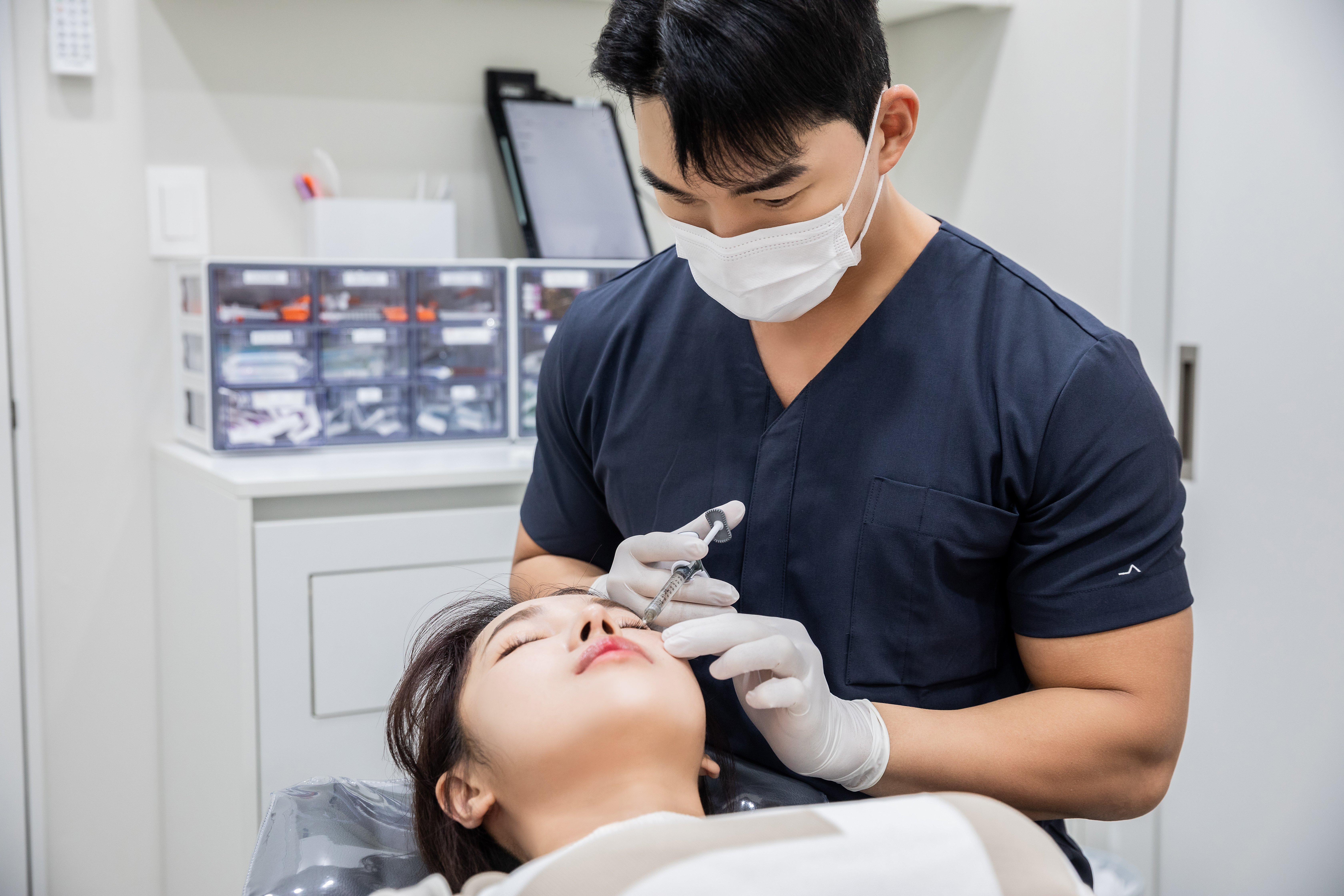
After arrival, the consultation and treatment-design process allows time to discuss the proposed approach. Once the plan has been reviewed and finalized, treatment is performed in a private, single-person room. The medical staff then provide personalized post-procedure care before the patient leaves. The exact details of the visit depend on the individual plan. Patients who are concerned about discomfort should raise that concern during consultation so the doctor can explain the available options and their suitability.
Radiofrequency treatment involves heat, and some discomfort can accompany the procedure. Ode Clinic offers nitrous oxide sedation as an option for Thermage treatment; the doctor can discuss whether it is appropriate for the individual. During treatment, communicate promptly if the sensation feels difficult to tolerate or changes unexpectedly. The medical staff can assess the situation and respond accordingly. Before leaving, make sure you understand the aftercare instructions and whom to contact if you have a concern. Personalized care is part of the clinic’s process, but the details can differ according to the patient and treatment. It is also reasonable to ask when a follow-up discussion or image comparison would be useful. Changes develop gradually, so a review plan can help distinguish the immediate appearance from later changes in skin firmness.
Thermage FLX pricing and plan selection
Ode Clinic lists Thermage FLX pricing by pulse count. The appropriate count is determined through consultation and should be considered alongside the areas being treated and the overall treatment design. The listed amounts below exclude value-added tax. They apply to Thermage FLX, not to other procedures that may be discussed during a consultation. Ask the clinic for the total applicable to your proposed plan before deciding whether to proceed.
| Thermage FLX treatment | Listed price, excluding VAT |
|---|---|
| 600 pulses | KRW 2,300,000 |
| 900 pulses | KRW 2,700,000 |
Price is one part of the decision, but it does not explain how a treatment will be designed. Ask which areas are included in the proposed plan and how the pulse count relates to those areas. If another treatment is recommended, discuss its purpose and cost separately rather than assuming it is included. The consultation should also cover the timing of changes and any potential side effects. This makes it easier to compare the proposed plan with your goals and practical priorities.
The clinic’s approach includes a further consultation before treatment, giving patients time to clarify the plan. If you are deciding between tightening and a volume-focused procedure, ask the doctor what each option is intended to change. You do not need to arrive with a final decision about the procedure or pulse count. A useful starting point is to identify the area that concerns you and describe the kind of change you are hoping to see. The doctor can then explain the available options in relation to your assessment.
Results and care after customized Thermage FLX treatment
Thermage FLX is associated with a gradual collagen-remodeling process, so changes in skin firmness may develop over approximately six months. The pace and degree of change depend on the individual. Ode Clinic describes the treatment as producing subtle changes in skin layers rather than dramatic contour shifts. Setting expectations around gradual tightening can make follow-up more meaningful. The doctor can discuss the expected timeline for your plan, review any concerns after treatment, and explain when repeat treatment might be considered.
When to assess changes
Some patients may notice an early change in how the skin feels, but the remodeling process continues over time. Rather than judging the treatment solely by the first appearance, allow for gradual development and discuss your progress with the doctor. The clinic uses diagnostic photographs for before-and-after comparisons, which can help document changes that are difficult to assess from memory. Lighting, facial expression, and camera angle can affect the appearance of photographs, so consistent comparisons are useful.
Expectations should remain specific to the concern being treated. A patient seeking a smoother appearance or improved skin firmness is looking for a different type of change from a patient seeking more facial volume. Thermage FLX does not add volume, and its tightening effect should not be described as a substitute for every lifting or injectable treatment. During follow-up, explain whether the areas discussed before treatment have changed in the way you expected. If the outcome does not match your original goal, the doctor can reassess the concern and discuss the available options. The clinic lists an annual treatment cycle for Thermage, but the timing of any repeat treatment should be discussed individually. Changes and their duration are not identical for every patient, and a follow-up assessment is more useful than choosing a schedule without one.
Thermage changes may take time and are generally intended to be subtle. Consistent photographs and a follow-up discussion can help patients assess progress against their original goals.
Points to consider before treatment
Discuss potential side effects and discomfort with the doctor before proceeding. Temporary redness, swelling, or tenderness can occur after radiofrequency treatment; burns or blisters are possible complications. Contact the clinic if symptoms are concerning, worsening, or do not follow the aftercare guidance you received. Promptly report blistering or significant pain rather than waiting for a routine follow-up. The doctor can explain the relevant precautions and assess whether the procedure is appropriate in light of your medical history.
Tell the medical staff about medications, skin conditions, previous procedures, and any history that could affect treatment or recovery. If you have an implanted electronic device or are pregnant, raise this before the procedure so the doctor can assess suitability. Do not assume that an earlier cosmetic treatment automatically prevents or permits Thermage FLX; the type, location, and timing matter. Patients should also discuss discomfort management and any questions about sedation in advance. After treatment, follow the individualized instructions provided by the clinic rather than applying an unverified regimen to the treated area. If you are unsure whether a product or activity is appropriate, ask the medical staff. A clear plan for aftercare is especially helpful when traveling, because it establishes how to seek advice once you have left the clinic.
Follow-up and ongoing care
Follow-up is an opportunity to review the treated areas and discuss how the skin has changed. Ode Clinic offers personalized post-procedure management and diagnostic photo comparisons as part of its approach. Bring up any concerns about the appearance or feel of the skin, even if you are unsure whether they relate to treatment. The doctor can review your progress against the original plan and explain whether additional care or another consultation is appropriate.
For longer-term planning, distinguish between maintaining skin firmness and addressing a new concern. A change in facial volume, for example, may require a different discussion from a change in texture. The clinic’s services include lifting and tightening, volume treatments, and skin boosters; a recommendation depends on the concern and assessment. Annual Thermage treatment is a listed cycle, not a requirement for every patient. Discuss timing with the doctor rather than scheduling another session solely because a standard interval has passed.
Ode Clinic is open Monday through Friday from 11:30 AM to 8:30 PM and Saturday and Sunday from 10:00 AM to 4:00 PM, without a lunch break. When arranging a visit, allow time for the consultation as well as the procedure if treatment is planned. Preparing questions about the target areas, price, discomfort, and follow-up can make the appointment more productive. If you are traveling to Seoul, consider how you will contact the clinic after your visit should a question arise.



Frequently Asked Questions
Q.What does Ode Clinic offer?
A.Ode Clinic provides dermatology services focused on volume, lifting and tightening, anti-aging, skin boosters, and body treatments. Thermage FLX is one of the tightening treatments discussed through individual consultation.
Q.Who might consider Thermage FLX?
A.Someone concerned about skin firmness, texture, or fine wrinkles may wish to discuss Thermage FLX with the doctor. Suitability depends on the individual assessment and treatment goals.
Q.How is a treatment plan developed?
A.The doctor discusses the patient’s concerns and designs an individual plan, followed by a further consultation before the plan is finalized. Treatment is performed in a private room, with personalized care afterward.
Q.What should I prepare before my visit?
A.Bring information about relevant medical conditions, medications, and previous cosmetic procedures. Prepare questions about the areas you want to address, expected changes, and potential side effects.
Q.Where is Ode Clinic, and how can I contact the clinic?
A.Ode Clinic is at 8F, Gyeongwon Building, 340 Gangnam-daero, Gangnam-gu, Seoul. Call +82 2-569-0222 to ask about an appointment.
Clinic Information
| Clinic | Ode Clinic |
|---|---|
| Specialty | Dermatology |
| Address | Seoul, Gangnam District, Gangnam-daero, 340 8F |
| Phone | +82 2-569-0222 |
| Website | https://odeclinicseoul.com/en |
 Ode Clinic